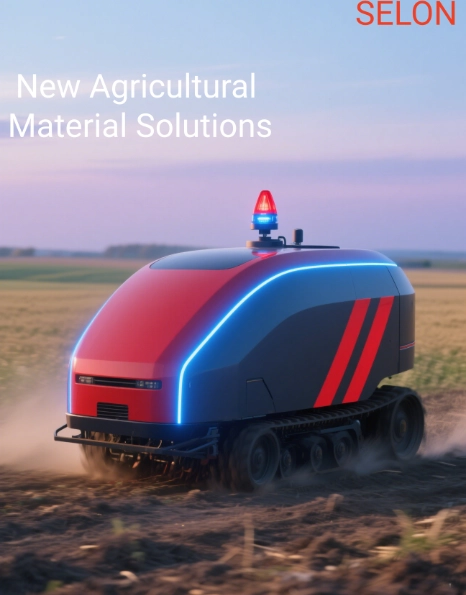

The rapid development of robotics technology is creating higher requirements for material performance. From industrial robots and collaborative robots to intelligent robotic equipment, components must achieve lightweight design, high mechanical strength, long-term durability, and stable performance under complex operating conditions. Traditional metal materials often face limitations in weight, processing flexibility, and corrosion resistance, making high-performance polymer materials an increasingly important choice for modern robotic applications.
Super Dragon Engineering Plastics provides advanced robot materials and robotics engineering plastics designed to support the next generation of robotic structures and components. Through innovative modified polymer solutions, the company develops high-performance materials including carbon fiber reinforced PEEK, reinforced PEI, carbon fiber reinforced PPS, and reinforced LFT-PA to meet the demanding requirements of robotics manufacturing.
The Growing Demand for High Performance Robot Materials
Robots operate in environments that require excellent mechanical reliability and precision. Components such as robot housings, joints, frames, and structural parts must withstand repeated movement, mechanical stress, temperature changes, and chemical exposure.
High-performance engineering plastics provide several advantages compared with conventional materials. Their lightweight characteristics help reduce overall robot weight and energy consumption, while their excellent strength and dimensional stability ensure reliable operation over extended service periods.
For robotic manufacturers, selecting suitable robot engineering plastics is essential for improving product performance, simplifying manufacturing processes, and achieving more flexible design possibilities.
Carbon Fiber Reinforced PEEK for High Performance Robot Components
Carbon fiber reinforced PEEK is one of the most advanced engineering plastic materials used in demanding applications. By combining PEEK resin with carbon fiber reinforcement, the material delivers outstanding mechanical properties and thermal stability.
This material is suitable for applications requiring high strength, low weight, and excellent environmental resistance, including:
Robot structural components
High precision robotic parts
Lightweight mechanical assemblies
High temperature operating components
The excellent heat resistance and chemical resistance of carbon fiber reinforced PEEK make it suitable for robotic applications where traditional plastics cannot meet performance requirements.
Reinforced PEI Materials for Stable Robotic Structures
Reinforced PEI engineering plastics offer a balance of mechanical strength, dimensional stability, and temperature resistance. These characteristics make PEI materials suitable for precision components that require consistent performance during long-term operation.
Applications include:
Robot joint connection parts
Structural supports
Precision robotic components
Industrial automation equipment
With excellent rigidity and thermal performance, reinforced PEI helps maintain component accuracy while reducing the weight of robotic assemblies.
Carbon Fiber Reinforced PPS for Durable Robotics Applications
Carbon fiber reinforced PPS is widely recognized for its excellent heat resistance, chemical resistance, and dimensional stability. It is especially suitable for robotic components exposed to harsh working conditions.
Key advantages include:
High rigidity
Low moisture absorption
Excellent chemical resistance
Stable performance at elevated temperatures
These properties make carbon fiber reinforced PPS an ideal choice for robot exterior parts, precision structures, and components requiring long-term reliability.
Reinforced LFT-PA for Lightweight and Strong Robot Structures
Reinforced LFT-PA (Long Fiber Reinforced PA) provides excellent mechanical strength and impact resistance while maintaining lightweight characteristics. Compared with traditional short fiber reinforced materials, long fiber reinforcement improves load-bearing capability and fatigue resistance.
LFT-PA materials are suitable for:
Robot frame structures
Load-bearing components
Industrial robot parts
Large structural components
The combination of strength, toughness, and lightweight design helps manufacturers develop more efficient and durable robotic systems.
Advantages of Engineering Plastics in Robotics Manufacturing
The application of modified engineering plastics brings multiple benefits to robotics manufacturers.
Lightweight Design
Reducing component weight is a major trend in robotics development. Lightweight polymer materials help improve energy efficiency, movement speed, and overall system performance.
High Mechanical Strength
Advanced polymer composites reinforced with carbon fiber or long fibers provide excellent strength and stiffness, supporting demanding mechanical applications.
Excellent Heat and Chemical Resistance
Robotic components may operate in high-temperature environments or come into contact with chemicals. High-performance polymers provide stable properties under challenging conditions.
Flexible Processing and Design Possibilities
Engineering plastics offer excellent processing performance, allowing manufacturers to create complex structures while reducing production difficulties and costs.
Supporting the Future of Intelligent Robotics
As robotics technology continues to expand into manufacturing, healthcare, logistics, and intelligent equipment industries, material innovation will play an increasingly important role. High-performance polymer materials enable lighter, stronger, and more reliable robotic products.
Super Dragon Engineering Plastics continues to focus on the development of advanced polymer solutions, providing robot materials, specialty engineering plastics, and customized material solutions for global robotics applications.
Through continuous research and innovation, high-performance engineering plastics will help accelerate the evolution of intelligent robots and support the future development of automated industries.
FAQ
1. What types of engineering plastics are used for robotics applications?
High-performance engineering plastics used in robotics include carbon fiber reinforced PEEK, reinforced PEI, carbon fiber reinforced PPS, and reinforced LFT-PA. These materials are designed for robot structural components, joints, housings, and other parts requiring high strength and durability.
2. Why are engineering plastics suitable for robot components?
Engineering plastics provide advantages such as lightweight design, high mechanical strength, excellent heat resistance, chemical resistance, and dimensional stability. They help reduce robot weight while maintaining reliable performance during long-term operation.
3. What are the applications of carbon fiber reinforced PEEK in robotics?
Carbon fiber reinforced PEEK is commonly used for high-performance robot components, precision structural parts, and applications requiring excellent thermal stability, low weight, and superior mechanical properties.
4. How do modified engineering plastics improve robot performance?
Modified engineering plastics enhance key properties such as rigidity, impact resistance, fatigue resistance, and environmental durability. These improvements enable robots to achieve better efficiency, precision, and service life.
5. Can engineering plastic materials be customized for specific robotic applications?
Yes. Engineering plastic solutions can be customized according to different requirements, including mechanical strength, temperature resistance, processing performance, and component design needs for industrial robots and intelligent robotic equipment.