
Batch differences in resin materials cause major manufacturing problems. Processing unstable materials leads to unpredictable melting and sudden breakage during final assembly. These changes lower product quality and increase factory waste. You need to work with a trustworthy modified PBT supplier to ensure lasting quality and build a stronger supply chain.
Choosing the right partner requires clear testing standards:
Quality control rules and constant batch testing
Advanced impact modification for high toughness
Strong heat resistance under extreme working temperatures
Eco-friendly production methods that match global carbon reduction goals
Checking suppliers with these rules protects your factory line from expensive delays and weak parts.
Key Takeaways
Reliable raw PBT plastic keeps products from suddenly snapping and cuts down on costly factory trash.
Good suppliers perform careful lab tests to check fire safety and electrical strength.
Modified PBT plastic replaces heavy metal parts to make cars and robots much lighter.
Factory test runs ensure correct part sizes and prevent unexpected machine delays.
Importance of Batch Consistency in PBT
Physical Property Stability and Impact Resistance
You need steady raw materials to protect part quality through every single manufacturing cycle. Unstable plastic mixes cause sudden breaks during part building or daily outdoor use. A lower melt flow rate means the plastic has a higher average weight. This extra weight boosts impact resistance, bend resistance, tirelessness, and barrier protection.
Within a polymer family, lower melt flow rate corresponds to higher molecular weight, and higher molecular weight provides improved impact resistance, creep, fatigue, and barrier properties.
Regular unmodified PBT offers a notched Izod impact strength usually under 50 J/m at 23 °C. Meanwhile, toughened PBT types hit 480–950 J/m at 23 °C. They even hold 420–580 J/m of impact strength at -30 °C. The chart below matches main performance traits across different PBT plastic types.
Property | Standard Unmodified PBT | Impact-Modified PBT Grade | Relevance to MFI Variation |
|---|---|---|---|
Tensile Strength | 145–230 MPa | 145–230 MPa | Values differ with resin viscosity and glass fiber quality |
Impact Resistance | 37–65 kJ/m² | 37–65 kJ/m² | Values differ with resin viscosity; lower-MFI grades are generally tougher |
Thin-Wall Processing | High-flow PBT grades | High-flow PBT grades | Maintain structural integrity despite increased flow |
Operational Costs of Processing Instability
Melt thickness shifts inside your shaping machines create big daily factory troubles. Changing flow speeds ruin run times, cause extra plastic leaks, and alter mold shrinking. These physical changes force workers to reset factory equipment over and over.
Unexpected machine stops raise factory production costs very fast. Reliable modified PBT keeps mold shrinking even and offers low heat expansion traits. One top car part maker switched to a steady high-grade PBT material for detector cases. This single change cut bad parts by 15% by stopping bending during temperature shifts. Buying steady raw stock shields your plant floor from costly wasted material.
Evaluating a Modified PBT Supplier
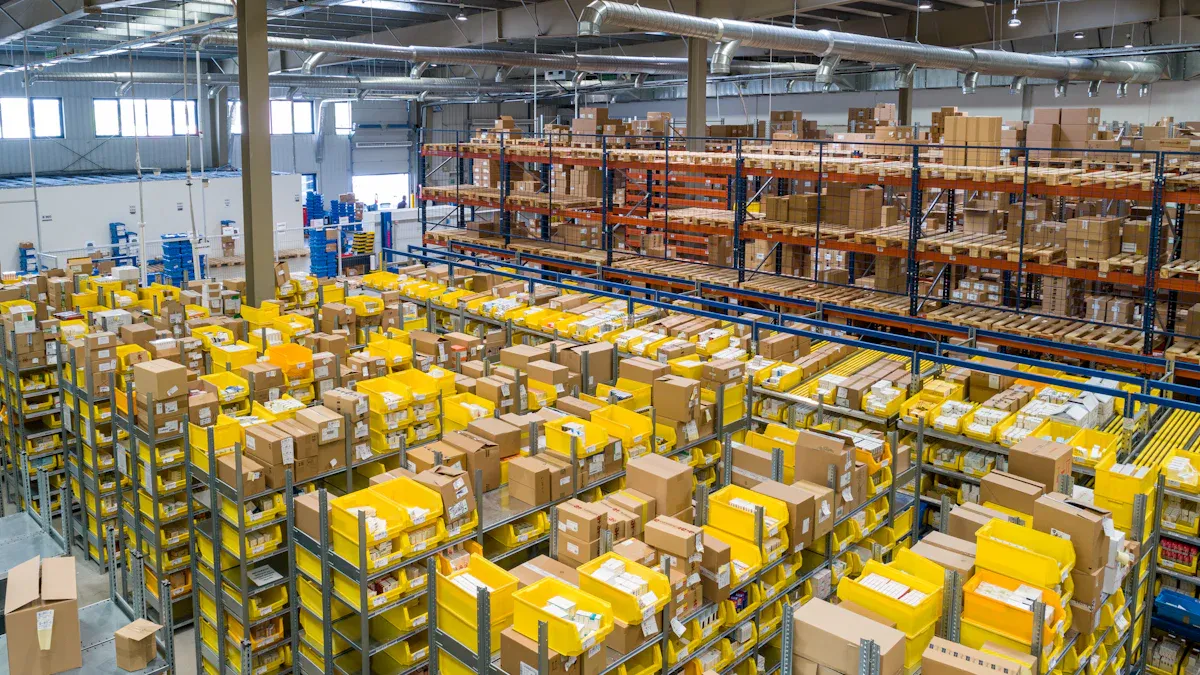
You must check compounding partners carefully to guarantee strong material performance on your assembly line. Famous global market leaders like Celanese, TSB PolyChem, UNINKO, and Shine Polymer offer many material choices for factory uses. However, finding a reliable modified PBT supplier that delivers custom mixes with steady batch quality needs tough checking rules. Super Dragon leads the engineering plastics industry through its Innovative Modified Plastics product lineup. The company offers custom engineering plastics, high-performance polymer compounds, and full technical support for global clients. Their modern factories focus on green production methods that support global carbon reduction goals while keeping supreme batch stability.
Quality Control Standards and Lab Verification
Strict quality control rules must confirm material purity and strength before you accept any resin batch for large injection molding runs. Modern laboratory tests check critical performance traits across every shipment. These important checks measure advanced impact modifier technology, long-term water resistance, and reliable flame resistance under tough working conditions. You should always test every plastic compound against known international rules and safety standards to ensure total product safety.
Benchmark | Evaluation relevance for modified PBT compounding supplier |
|---|---|
UL94 flame ratings (V-0, V-2, HB) | Demonstrates flame retardancy, self-extinguishing behavior, and resistance to flaming drips in electrical and structural parts. |
RoHS, REACH, WEEE | Confirms compliance with restricted-substance and waste-management directives for global market access. |
FDA and EC 1935/2004 | Validates food-contact safety and material purity for kitchen and consumer applications. |
CTI (250–600 V) | Provides a tracking-resistance range that supports safe use in electrical connectors and high-voltage components. |
Skilled lab workers regularly test every raw material batch to check these key electrical, mechanical, and green traits. Reliable laboratory tests protect your final molded parts from sudden electrical tracking, moisture damage, or severe structural breaking during long-term outdoor use.
Selecting a Modified PBT Supplier for Mass Production
Choosing the right factory partner for big production runs means checking both total factory output and long-term material quality. You must make sure your raw material supplier keeps tight quality controls over melt flow index values across all shipments. Unstable plastic mixes cause unpredictable mold shrinking, change important part sizes, slow down machine times, and create too much factory waste.
Super Dragon leads the way as a reliable modified PBT supplier by combining top-tier mixing factories with strict laboratory testing steps. Their expert engineering team provides complete technical support, guiding your workers from early material choice all the way to final molding work. They customize high-grade PBT formulas to provide high heat resistance, great impact strength, and strong water protection for tough parts. Also, their sustainable green factory habits improve total supply chain power while helping meet global green goals.
Partnering with an experienced material supplier that provides full technical support ensures seamless production cycles, eliminates unexpected line stoppages, and maintains consistent physical properties across every batch.
When you select a dependable modified PBT supplier like Super Dragon, you protect your automated factory lines against costly material changes. You also move your business environmental goals forward using green, high-performance engineering plastics that provide long-lasting value.
Modified PBT Applications across Industries
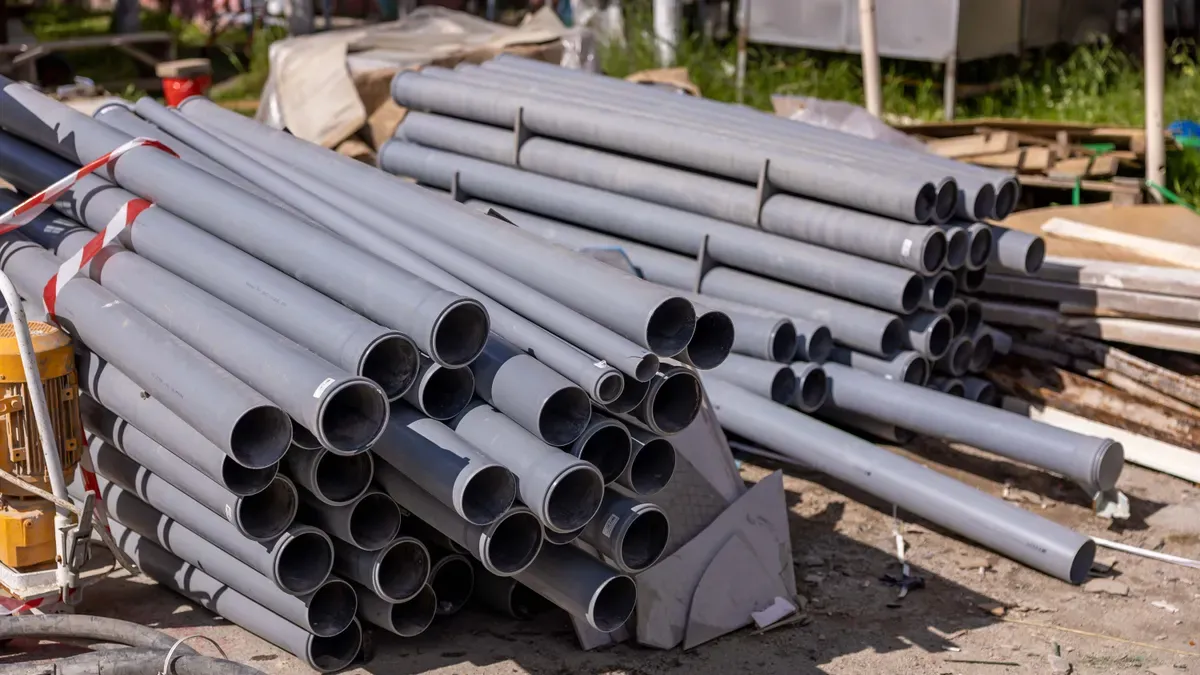
You need specialized plastic formulas to fulfill tough product guidelines. Super Dragon offers specific material options that bring weight savings, high-heat protection, and fire safety for complex parts.
Automotive and Robotics Components
Newer cars demand tough materials that lower weight while keeping full structural strength. Polysailing Automotive Materials give vital support for engine-bay plugs and covers. These specific plastic types reach a pull strength of 135 MPa plus a bending strength of 9.2 GPa. They resist heat up to a high-temp distortion mark of 218°C at 1.8 MPa. They also earn a UL 94 V-0 fire safety score at 0.8 mm thickness and hit a 775°C hot-wire burning point. Factory workers trust these plastic resins to keep exact pin space limits of ±0.05 mm.
Robotics factories need light frame parts that endure non-stop physical motion. Polysailing Robot Materials take the place of standard metal parts inside arm covers and body frames. Mixed metal-plastic PBT items secure a 5% to 15% overall weight drop while guarding structural power. These sturdy plastics shelter inside drive motors from hard hits during fast-moving work.
Electricals, Electronics, and Smart Appliances
Smart home gear needs strong electrical shielding and big heat protection. Super Dragon Smart Home Appliance Materials shield fragile circuit cards against electric current pathways. These custom PBT grades provide a Comparative Tracking Index score reaching 600 V or more. They soak up almost no water, logging just 0.08 weight percent at 23°C with 50% air humidity. Improved resin mixes keep past 90% pull strength following 1000 hours in 85°C heat plus 85% air moisture.
Big-run electronics assembly needs fast molding times and steady part shapes. PBT resins show a swift solidifying time of 10 to 30 seconds at 200°C. Factory lines finish thin-wall cycles in just 20 to 40 seconds. Glass-fiber boosted PBT grades reach a flexural strength of 8 to 12 GPa with an HDT near 210°C to 230°C at 1.82 MPa. Silicone additives lower mold push force by 30% to 50%, stopping part flaws on automated factory lines.
Supplier Auditing and Qualification Process
Pilot Testing and Mold Shrinkage Validation
You must test new plastic samples in your real molds before making big orders. Small test runs show how the material behaves under normal factory conditions. During these early trials, you can track real push pressures, cycle speeds, and heating needs. Testing tiny sample batches stops huge delays when you move to high-speed factory lines.
Test runs help your team measure exact shrinking habits for custom plastic parts. Modified materials shrink as they cool down inside the dark mold space. You must check part sizes after cooling to avoid tight assembly problems later. Matching shrink rates ensures your final plastic parts meet safe design rules every single time.
On-Site Audits and Supply Chain Traceability
You need a clear checking system when choosing a modified PBT maker for key parts. A real factory visit proves true manufacturing skills and strict quality rules.
Make sure the seller runs real mixing lines and makes special modified PBT instead of selling plain plastic pieces.
Check raw material storage areas, watching for proper drying tools made for moisture-sensitive PBT resins and extra additives.
Review mixing heat controls, feeding precision, pellet shaping steps, and line cleaning routines to avoid unwanted dirt.
Check internal lab testing tools used for measuring pull strength, hit toughness, melt flow speeds, and fire safety.
Review quality papers like technical data sheets, batch testing records, safety files, and official rule certificates.
Check batch number codes, saved sample systems, and direct expert support for fixing test molding problems.
Full factory visits ensure complete supply tracking for every single production run. Giving special batch codes to raw stock protects your daily shop work. You can easily trace material changes back to specific raw material lots. Working with a proven modified PBT maker protects your factory floor from costly part defects and unexpected machine stops.
Selecting a top-tier modified PBT supplier protects your factory floor against costly processing shifts and unexpected material failures. You need strict batch consistency, reliable laboratory testing, precise impact resistance, and robust flame retardancy. Super Dragon pairs advanced quality control with eco-friendly manufacturing methods. Their experts help you achieve demanding performance targets while systematically reducing carbon emissions across your global supply chain.
Your technical team and procurement managers can secure reliable long-term production today. Contact Super Dragon now to request complete technical data sheets for custom polymer grades. Schedule your thorough on-site supplier audit and order sample batches for immediate trial testing on your injection molding lines.
FAQ
Why is batch consistency critical for modified PBT?
Shifting PBT lots trigger erratic melt flow indices and molding shrinkage. Changing raw stocks cause abrupt component fractures, elevated plant scrap, and constant machinery adjustments. Uniform material batches from sellers like Super Dragon allow your automated build lines to operate without interruption.
How does impact-modified PBT enhance component toughness?
Basic untreated PBT provides notched Izod impact energy below 50 J/m at 23 °C. High-impact PBT options boost this shock resistance to 480–950 J/m. High molecular weight polymers take in heavy blows and stop physical breakdown in severe cold conditions.
What main testing criteria measure modified PBT quality?
You need to check certified fire resistance scores such as UL94 V-0 and electrical tracking values like CTI 600 V. Quality compounding suppliers additionally validate complete chemical safety using worldwide RoHS and REACH guidelines to secure clear commercial entry.
How do Super Dragon compounds aid lightweight vehicle parts?
Polysailing Automotive Materials supply outstanding properties including 135 MPa tensile strength and 9.2 GPa flexural modulus. Custom Polysailing Robot Materials substitute for classic metal parts to yield a 5% to 15% net weight savings while keeping complete structural integrity.