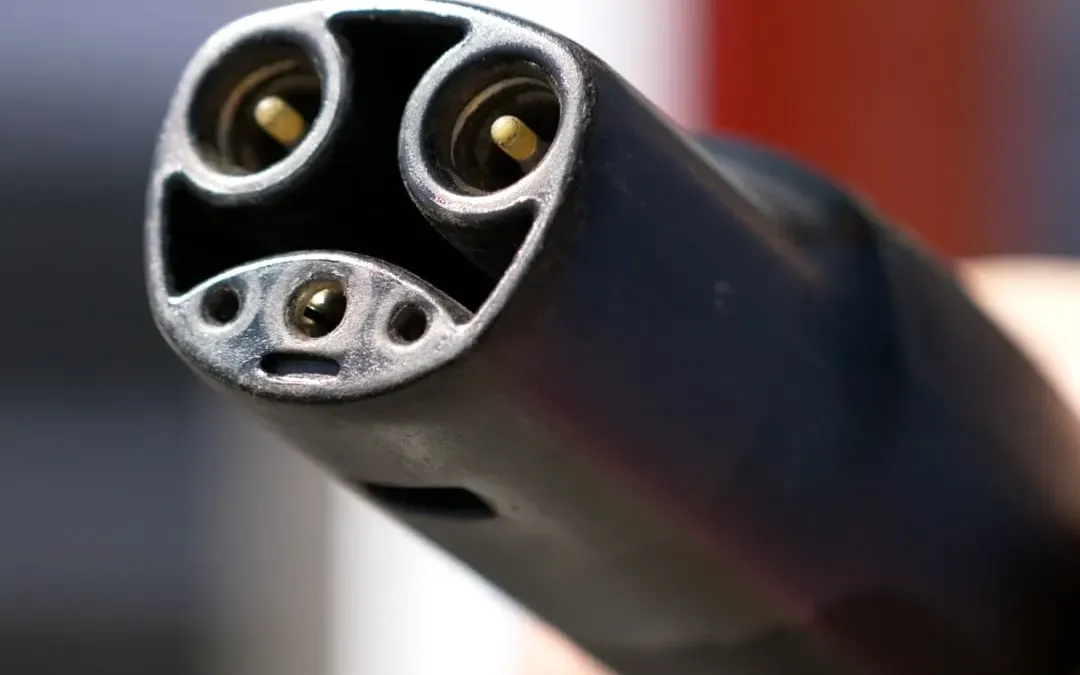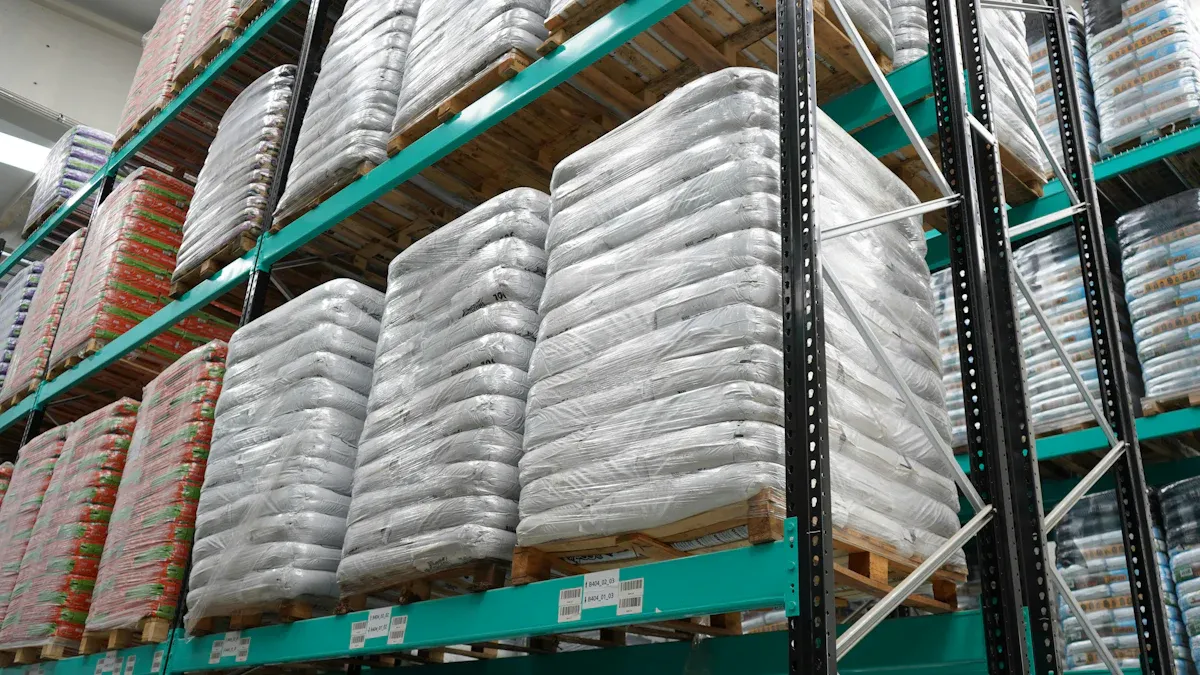

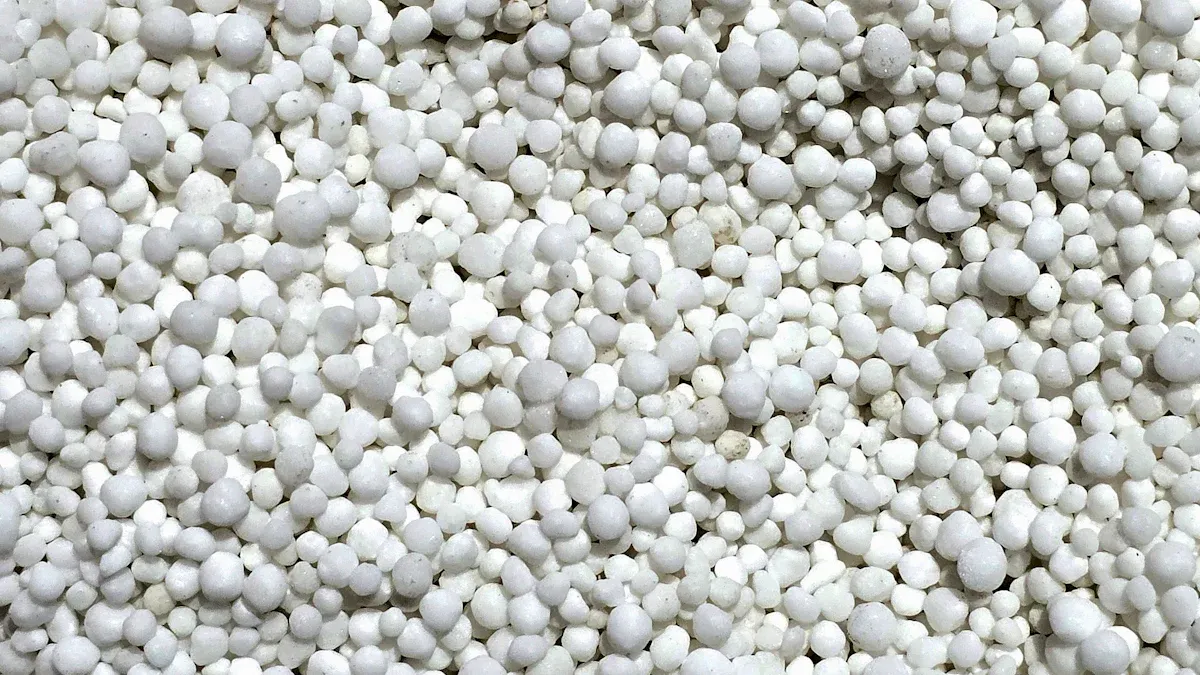
Top global plastic suppliers create high-quality polymer products to meet modern factory needs. Leading companies include SABIC, Borealis AG, ExxonMobil, Avient, and Super Dragon Engineering Plastics. As a leading modified PP manufacturer, Super Dragon and these trusted main partners make special polypropylene blends. Added glass fibers, heat protection, and toughness features help these custom plastics replace more expensive materials easily.
Metric | Value |
|---|---|
Market size in 2024 | |
Projected market size in 2030 | USD 71.6 billion |
CAGR (2024–2030) | 6.8% |
Factory buyers and plastic engineers need strict testing methods to judge complex plastic quality. Skilled engineering teams must check custom mixing abilities to choose the best modified PP maker for special product uses.
Key Takeaways
Custom modified polypropylene takes the place of costly high-tech plastics to cut down on overall manufacturing expenses.
Extra materials like glass fibers and mineral talc make plastic stronger and better at handling heat.
Strict ISO test standards guarantee material quality and safety across all manufacturing runs.
Top companies provide special plastic parts that help make vehicles lighter and electronic devices safer to use.
Testing small sample batches helps factory engineers prevent expensive mold mistakes during production.
Selecting the Right Modified PP Manufacturer
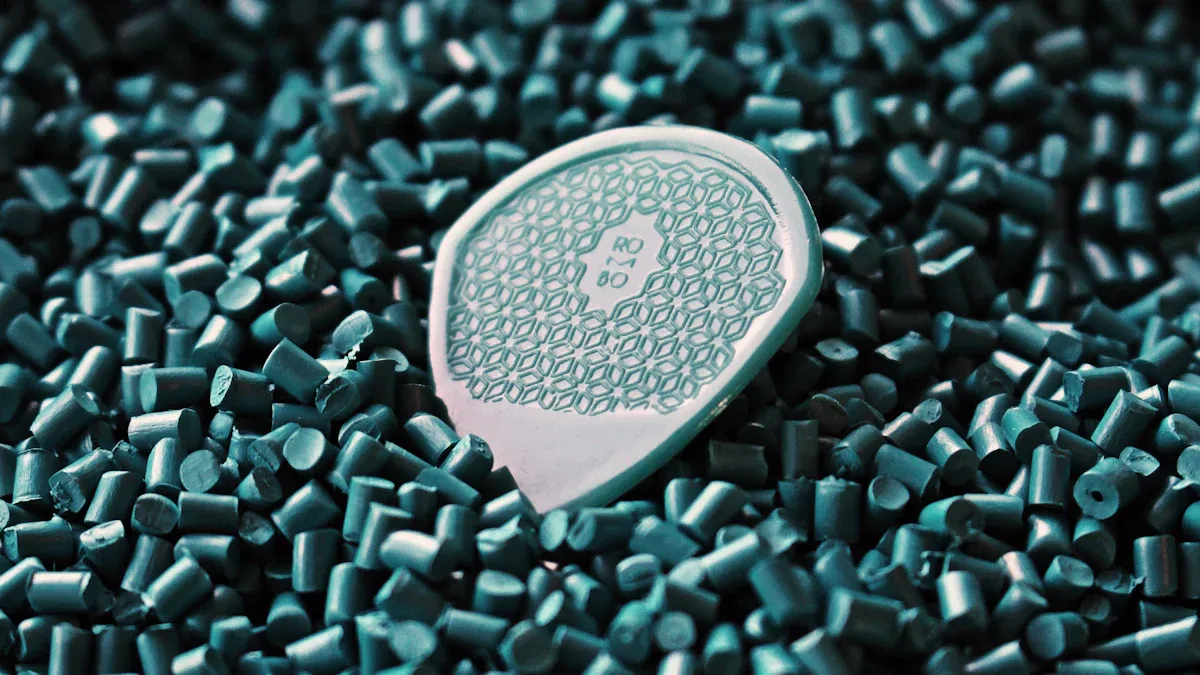
Factory buyers look at clear performance details before choosing a partner. A skilled modified PP manufacturer changes base resins to handle tough physical jobs. Smart blending techniques improve material strength and overall quality for current industrial needs.
Custom Formulation Capabilities
Engineers change plastic traits by mixing in specific helpful fillers.
Chopped glass fiber: Increases pulling strength, bending power, and heat safety in basic structural parts.
Long glass fiber: Gives higher impact toughness, cuts bending flaws, and limits expansion under heat.
Mineral talc (PP-TD20): Hits 30 MPa tensile strength, 2000 MPa flexural modulus, and 4 kJ/m² Izod notched impact energy for good stiffness and shock resistance in auto parts.
Flame retardant: Reduces fire risks for safe use in critical electrical systems.
Blending teams also adjust flow speed using special peroxide additives. These chemicals react during heating to create tiny active agents. These agents snap long plastic chains into smaller pieces. Smaller chains make the hot liquid flow easier and balance the mixture spread. This change lets plastic fill thin mold spaces fast, cuts factory wait times, and helps thick mixes flow better.
Testing and Quality Standards
Strict factory checks ensure steady material traits across all production runs. Makers keep quality high by following a set testing plan:
Check new raw materials like nucleating agents and mineral fillers to keep ingredients balanced.
Monitor machine settings, such as heating levels, mixing time, and cooling speed.
Run regular quality tests for ash levels, flow speed, solidifying traits, and color match.
Use math tracking tools to catch property changes before parts develop real defects.
An ISO 9001 certified modified PP manufacturer proves global quality standards, set building steps, and full batch tracking. Certified makers save complete testing reports for each factory job.
Quality Parameter | Standard Target Value | Operational Benefit |
|---|---|---|
Melt Flow Rate | Guarantees smooth mold filling and steady shaping output | |
Ash Content | <0.04% | Stops filter clogging and cleans out chemical leftovers |
Mechanical Profile | Batch-tested baseline | Protects part safety, structural strength, and lasting power |
Top Custom Modified PP Manufacturers
Global Tier-1 Polymer Leaders
Big global plastic makers run large factory networks to ship huge amounts of material around the world. These top companies use standard processing lines. They test products strictly using ISO and ASTM rules to keep material behavior steady. Groups like SGS, Intertek, TÜV SÜD, UL Solutions, and Bureau Veritas inspect and approve these batches for controlled uses.
Rank | Company | Annual revenue benchmark (2025) |
|---|---|---|
2 | Borealis AG | Exceeded USD 10 billion |
3 | SABIC | Approximately USD 38 billion |
4 | ExxonMobil Corporation | Exceeded USD 330 billion |
8 | Avient Corporation | Not provided |
Major chemical firms create special plastic types for car parts, electronics, and home goods. SABIC makes flame-safe PP mixtures that pass tough fire safety tests at 1.5 mm thickness for electric car battery cases. SABIC also sells Hapsoft S3615, S3620, and S3625 types for soft car insides, plus PP-UMS foam resin. ExxonMobil sells Achieve Advanced PP7925E1, PP7495E1, and PP6302E1 plastics to help make cars lighter with thin roof covers, air pipes, and floor mats.
Super Dragon Advanced Material Solutions
Super Dragon Engineering Plastics Co., Ltd. works as a expert custom modified PP manufacturer. This business designs special plastic mixes to fix tough building problems for factory clients worldwide. Its main product lines feature Polysailing Automotive Materials and Polysesle Electronic and Electrical Materials. These custom mixes boost heat safety, raise shock strength, and meet strict physical rules in hard working conditions.
Super Dragon also builds Polysikon Paint-free Materials to skip pricey extra painting steps for everyday goods. The firm supplies Polysailing Robot Materials and Polysylene thermoplastic elastomers to make modern robots and machines much lighter. Smart mixing methods, like chemical heating and tiny filler additions, let workers adjust flow speeds and physical strengths for custom factory molds.
Green goals guide the company motto at Super Dragon: "Innovating Materials, Empowering Customers, Creating a Green Life for Humanity." The business moves forward with eco-friendly plant ideas and improves power use to help reach global carbon reduction targets. Complete support teams help global clients with choosing materials, testing early parts, and checking final molds.
Industrial Applications for Custom Modified PP
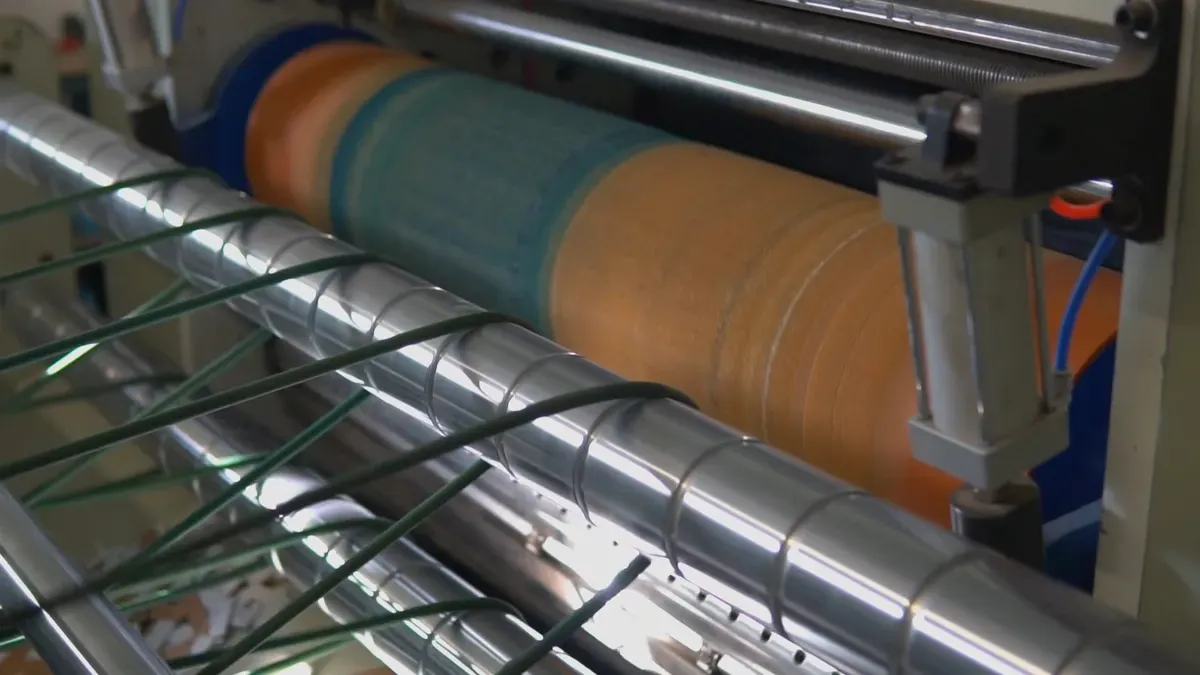
Modern factories choose customized polypropylene compounds over standard resins to satisfy severe application criteria. Custom material engineering closes performance gaps while reducing production costs.
Automotive and Lightweight Components
Vehicle producers use glass-fiber-reinforced PP to reduce vehicle weight, boost fuel efficiency, and increase thermal stability. Materials like PolyPacific PP-GF30 replace traditional steel in structural instrument panels and trim. This material delivers 110 MPa tensile strength, 155 °C heat deflection temperature at 1.8 MPa, and 1.16 specific gravity. Automobile interior trims must comply with ISO 3795 and achieve an FMVSS 302 burn rate equal to or less than 102 mm/min to limit flame spread.
Modified polypropylene must combine durability and good mechanical strength because automotive exterior and under-hood components are subjected to impacts, vibrations, and pressure. This strength directly contributes to regulatory safety compliance, collision performance, and long-term reliability.
Engineers rely on SAE J1344 standards to verify material durability under tough driving environments. Under-hood components retain mechanical integrity across operational temperatures ranging from -40°C to 120°C.
High-impact PP grades deliver an Izod impact strength of 400–800 J/m for exterior bumpers.
Flame-retardant PP grades meet UL94 V-0 standards for critical electrical enclosures.
UV-resistant PP grades endure 2000–4000 h QUV weathering tests for exterior panels.
Electrical and Smart Home Appliances
A specialized modified PP manufacturer designs unique formulations to upgrade home appliances and electrical devices. Custom high-impact copolymers like PetroChina K9928H supply superior surface finishes and precise dimensions for complex appliance housings. Modified PP film grades like SABIC PP 526P achieve strong barrier performance and high clarity alongside Vicat softening points up to 152 °C.
Application Area | Requirement Driving Adoption | Edge Provided by Custom Modified PP |
|---|---|---|
Appliance Housings | Multi-attribute performance, impact resistance, UV stability | Matches engineering plastics in precision molding at lower weight |
Electrical Connectors | Corrosion resistance, flame retardancy, insulation | Meets UL94 V-0 safety rules while preventing chemical damage |
Procurement Guide for Custom PP Formulations
Factory teams need a clear plan when ordering custom plastic mixtures. A good modified PP manufacturer makes sure plastic properties match exact part needs. Setting precise goals speeds up production and prevents expensive factory delays.
Technical Specification Mapping
Technicians begin by matching material traits to official global test rules. These standard tests check the physical limits of modified polypropylene mixes before big factory runs start.
Standard(s) | Property | Relevance to custom polypropylene |
|---|---|---|
ASTM D638 / ISO 527-1/-2 | Tensile | Shows pulling strength, stiffness, stretch limits, and side movement data |
ISO 178 | Flexural | Uses three-point bending tests to measure material stiffness |
ISO 8256 / ASTM D1822 | Impact (tensile) | Tests pulling behavior under heavy sudden hits |
ISO 18872 | High-speed tensile | Checks fast pulling behavior up to 20 m/s for crash safety |
Lab workers check these test results to confirm part strength under daily stress. Careful planning guarantees that the chosen plastic satisfies every heat and strength requirement.
Sampling and Pilot Mold Testing
Trying out small test batches prevents sudden product breaks later on. Buyers check raw material traits and real molded parts before starting full production.
Pick the exact part name, target market, and daily work setting.
Explain the main issue that the new blend must fix.
List clear goals for heat limit, strength, fire safety, and color.
Share shape details such as wall thickness, support ribs, and thin spaces.
Figure out trial amounts using part weight, cleanup waste, and test runs.
Pick testing plans using test blocks or finished sample parts.
Ask for basic TDS, SDS, RoHS, REACH, and COA paperwork.
Accept material quality only after testing real molded sample parts.
Match final color and surface look against approved sample blocks.
Check batch tracking with suppliers to ensure steady future production runs.
A top modified PP manufacturer offers complete test data and hands-on help during mold trials. Proper small-scale testing verifies mold gates, join lines, and plastic shrinkage levels. This strict checking step helps create tough plastic parts for demanding industrial uses.
An agile modified PP manufacturer delivers vital custom formulation capabilities for complex industrial projects. Specialized compounders help polymer engineers balance structural strength, cost targets, and green sustainability goals effectively. Advanced fillers like glass fiber and talc allow low-cost polypropylene compounds to replace expensive engineering resins easily.
Modern chemical suppliers also advance carbon neutrality targets through eco-friendly factory practices and lower energy use. Engineering teams can optimize production outcomes by submitting technical data sheets for expert review today. Requesting prototype sample batches ensures complete material validation during early lab testing and live mold trials.
FAQ
How does modified polypropylene replace traditional engineering plastics?
Custom modified PP incorporates specialized reinforcements like glass fibers and mineral talc. These additives improve pulling strength, heat limits, and shock resistance. As a result, modified PP equals the physical performance of high-cost engineering resins while reducing overall material costs and reducing total weight.
What key testing standards certify the quality of custom PP compounds?
Producers confirm custom PP formulations by applying accepted global rules. Testing uses ISO 527 and ASTM D638 for tensile traits, ISO 178 for bending stiffness, and UL94 V-0 for fire safety. ISO 9001 certification additionally promises precise batch-to-batch reliability during full factory production runs.
Why do automotive manufacturers select custom PP formulations?
Car designers pick modified PP to lower total vehicle weight and raise structural power. Blends with long glass fiber stop part bending and survive tough driving conditions. Materials additionally meet mandatory safety rules like FMVSS 302 and ISO 3795 for internal fire speed limits.
What specialized material solutions does Super Dragon provide?
Super Dragon manufactures tailored polymer compounds for demanding industrial uses. Its portfolio features Polysailing Automotive Materials, Polysesle Electronic and Electrical Materials, and Polysikon Paint-free Materials. These custom options raise heat protection, increase hit strength, and help eco-friendly, green factory practices.