
Knowing how to find a trustworthy modified plastics manufacturer starts with checking facts yourself. Ask them about their storage and retrieval systems, WMS integration, and audit records. Use these direct questions on your first call:
What ASRS platform does your facility use?
How does your WMS track lot-level material flow?
Can you share your certification documents?
These answers form the base of a full supplier evaluation framework. This post turns them into clear rules for operational requirements, technology readiness, and business payoffs.
Key Takeaways
Ask possible manufacturers about how their ASRS and WMS systems connect, so you can be sure they track materials correctly.
Check for certifications like ISO 9001 and audit records to make sure the manufacturer follows quality standards.
Go to the factory to see how the automated warehouse works and how it links to production lines for smooth material flow.
Choose a manufacturer that can grow with your business and lower costs by using automation, saving you money and time.
Ask for a Supplier Quality Agreement before production starts. This agreement should explain the rules for checking products and dealing with defects. It helps protect your supply chain.
How to Find a Modified Plastic Manufacturer
Your search for a good partner starts with a shortlist, not a cold call. You build that shortlist by looking for digital-manufacturing signals. A serious modified plastic manufacturer will show signs of automation before you even call them. Look for companies that say they offer full-service capabilities. Custom compounding, tolling, and polymer sourcing often show up next to automated warehousing on their websites. These signals tell you the company puts money into infrastructure, not just marketing.
Screening For Digital Manufacturing Signals
Start your screening online. Check if the company describes its automated storage and retrieval systems on its own page. Many suppliers in the plastics industry show ASRS applications through product categories and spec sheets. You will see phrases like "seamless integration" and "advanced tracking options." These details matter. A modified plastic manufacturer that shares this information is open to questions. That confidence separates real operators from resellers.
Look for a webpage that focuses on ASRS applications directly. Product categories may include automation trays, bins, and stack-only containers. Each item should have a description tied to high-speed retrieval. A "Product Features & Benefits" section often lists things like durable construction and optimized handling. You can also find call-to-action buttons and spec sheets you can download. These elements show a modified plastic manufacturer that understands system-level integration.
Check for full-service positioning. A licensed, full-service provider of automated storage solutions shows depth. The same idea applies to material customization and formulation capability. A modified plastic manufacturer that offers both custom compounding and automated warehousing likely controls its own supply chain. That control lowers your risk.
Verifying Automated Storage And Retrieval Systems
Move from screening to verification. Ask the modified plastic manufacturer directly about their ASRS platform. Request a live demonstration or a recorded walkthrough. A credible modified plastic supplier will show you how their warehouse tracks lot-level material flow. They will explain how their WMS connects to production scheduling.
Verify the physical footprint. An automated high-bay warehouse uses vertical space to store modified plastic pellets and finished goods. Ask how many storage locations the system manages. Request throughput data. A mature operation will share cycle times and retrieval accuracy rates.
Check integration with production. The best manufacturers link their warehouse system to injection molding schedules. This link makes sure raw materials arrive at the press on time. Ask whether the ASRS feeds directly into the manufacturing line. A yes answer shows tight process control.
Request audit records. Certifications and third-party inspections prove the system works as described. Ask for documentation of past audits. A modified plastic manufacturer with nothing to hide will give you these records quickly.
Finally, visit the site if you can. Watch how workers interact with the automated system. Observe whether the warehouse runs smoothly during peak hours. These observations confirm everything you learned during the screening phase.
Key Requirements For A Modified Plastic Supplier
Bring a written checklist to every supplier meeting. This list keeps the talk focused on your needs. You want a partner who delivers on time, adapts to changes, and grows with you. The points below turn those goals into questions you can rate.
Reliability, Flexibility, And Scalability
Ask a modified plastic manufacturer to show on-time delivery rates for the past year. Ask for data on order accuracy and defect rates. A reliable partner tracks these numbers and shares them without delay. You should also test flexibility. Can the modified plastic manufacturer switch between material grades without long changeover delays? Ask how they handle rush orders or formula changes. A flexible operation responds to your schedule changes, not the other way around.
Scalability matters just as much. Your volumes will grow, and your supplier must keep up. Ask if their warehouse can add storage spots without a building expansion. A modified plastic manufacturer that designs its own automated systems can scale capacity step by step. This in-house design and build skill shows up across the plastics industry as a sign of strong operations. You avoid changing suppliers later when your volumes go up.
Space Efficiency And Cost Control
An automated high-bay warehouse stores modified plastic pellets and finished goods in tall racks. This design uses height instead of floor space. Ask the modified plastic supplier how many storage spots their system manages per square foot. Dense storage lowers your cost per unit handled. The warehouse also cuts labor costs, because robots move goods instead of people.
Cost control goes beyond storage. Ask for a breakdown of how automation lowers their running costs. Then ask how those savings reach your price. A mature manufacturer passes efficiency gains to long-term customers. Look for proof of supplier qualification audits and supplier selection records. These documents show the company meets standards for quality and cost discipline. Manufacturers in the plastics industry who invest in automated high-bay warehousing also build their own automation equipment. That vertical integration keeps costs low across the plastics industry and shortens your lead times.
Technologies That Support Supplier Evaluation
You can judge a supplier's technical skill by looking at how they use automation. This part turns hardware and software abilities into points you can check during a site visit or audit.
ASRS, AGVs, And Robotics
An ASRS platform is the main part of a high-bay warehouse. Ask the modified plastic maker to show how their ASRS works with totes and pallets. Correct size matters for big batches. A tote that is 600×400×300 mm must stay centered on conveyors and in shuttle lanes. If there is drift between batches, it is a system error. So tolerance is a required spec, not just a nice thing.
Use this table to score ASRS and robotics integration:
Evaluation Criterion | What to Verify |
|---|---|
Dimensional accuracy | Totes keep the same outside size across many batches |
Repeatability at scale | The 450,000th tote works the same as the first one |
Automation compatibility | Load checks and function tests stop jams on conveyors |
Handling-mode compatibility | Containers match the equipment list before you compare suppliers |
Process control | ISO 9001 system with First Article Inspection and Statistical Process Control |
Raw material consistency | Long-term resin partnerships reduce color drift |
Tooling condition | Strict mold maintenance protects size over many cycles |
Delivery continuity | Safety stock and logistics partnerships keep supply steady |
A tote program tests repeatability more than the product itself. The 450,000th tote must act like the first one. That is the real buying question — not the price quote.
AGVs move pallets from high-bay warehouses, rack storage, and buffer areas to shipping. They also move goods between floors with elevators. Many companies use AGVs to cut labor costs and move workers to better jobs. The three main types are tow vehicles, heavy load carriers, and automated forklifts. A small pallet truck AGV works well in production areas where people work and space is tight.
WMS Integration And Digital Traceability
Your supplier check should look at how the WMS connects to production. A skilled modified plastic maker links their WMS to injection molding machines. That way, raw materials get to the press on time. This helps material flow move through the whole plant.
Digital tracking needs several parts. Look for code creation that can grow from thousands to hundreds of millions of items. Check for machines that print barcodes, QR codes, or RFID tags on packages and pallets. Scanners along the supply chain should include cameras, handheld tools, and phone apps. Tracking of shipping units often uses GPS and sensors. Links between ERP and MES systems record supply chain events where they happen.
End-to-end tracking systems work as Layer 5 solutions in the ISA 95 framework. They take in and link data across the supply chain while connecting up and down with layers 0 through 4. Layer 4 solutions like ERPs track products from making to shipping, but not further. Layer 5 solutions work across all players, including distributors and end users.
A full-service modified plastic maker shows width through material customization and formulation skill. This variety shows how thinking from formula to use helps many industries.
When you judge polymer processing companies, ask how their tracking system helps real molded part performance. A supplier with good application experience and testing help will show you papers linking material batches to molded part performance. This control over formula tells real makers from resellers.
What A Top Manufacturer's Operation Looks Like
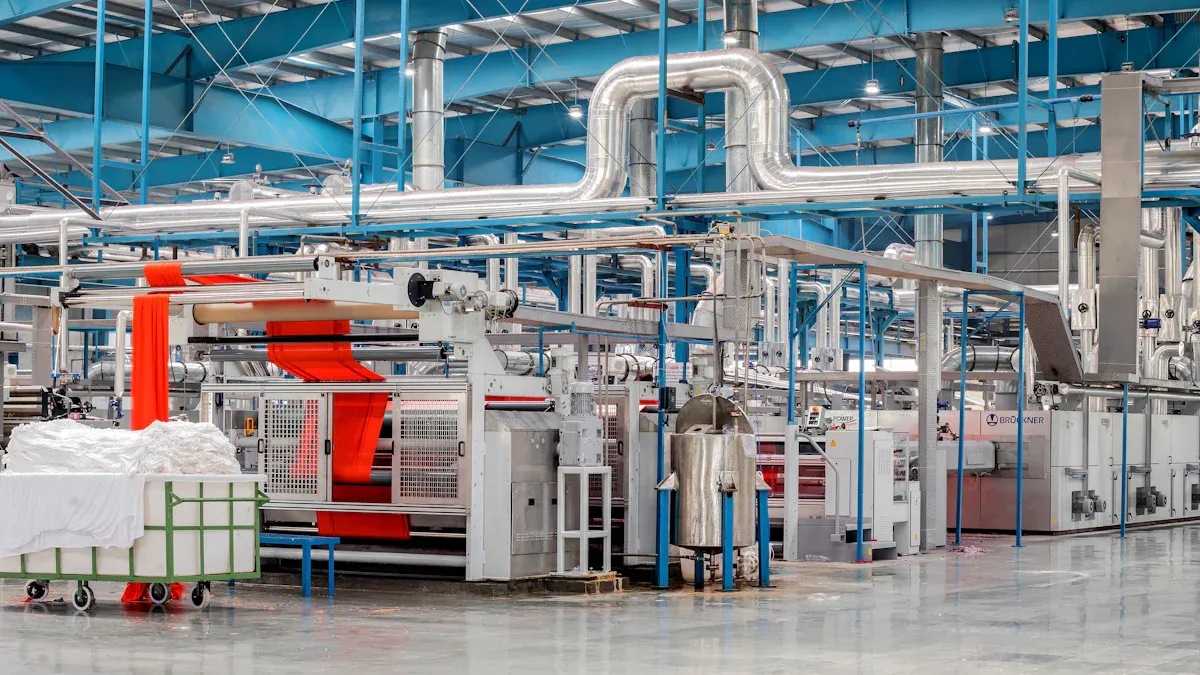
A site visit shows you more than any brochure can. You can check the full flow from goods-in to goods-out. Use this walkthrough as your checklist.
From Goods-In To Production Supply
Start at the receiving dock. Watch how the modified plastic manufacturer handles incoming resin and additives. A top operation uses their warehouse management system to log every batch at the gate. The system assigns storage locations in the high-bay warehouse on its own. This step protects material flow from day one.
Follow the material to production. The best plants link their warehouse straight to injection molding machines. Automated guided vehicles move modified plastic pellets to the press without human touch. This link keeps your injection molding schedule on track. Ask how they test new formulas before full production. A serious modified plastic manufacturer builds prototypes and tests them before committing to tooling. They also make production molds and plan capacity around your forecast. This end-to-end approach — from material sourcing to complex assembly — shows steady quality and short lead times.
Quality Checks And Goods-Out
Quality control starts before the mold opens. Ask to see how they check critical dimensions, material performance, and color consistency. A top supplier certifies to standards such as ISO 9001. They also balance technology investment against economies of scale. Look for testing support that covers flame-retardant validation and other safety checks. This testing support protects your molded part performance.
After production, watch the secondary operations. Decoration, assembly, and packaging happen before goods leave the floor. The warehouse then manages finished goods, freight, and distribution. Ask for documentation on real molded part performance from past runs. A supplier with strong application experience will share these records.
Bring this buyer's checklist on your visit:
Ask: How does your WMS track lot-level material flow?
Request: ISO 9001 certificate and recent audit records.
Observe: Do AGVs move goods without delays during peak hours?
Advantages Of An Automated High-Bay Partner
Precision, Traceability, And Lead Times
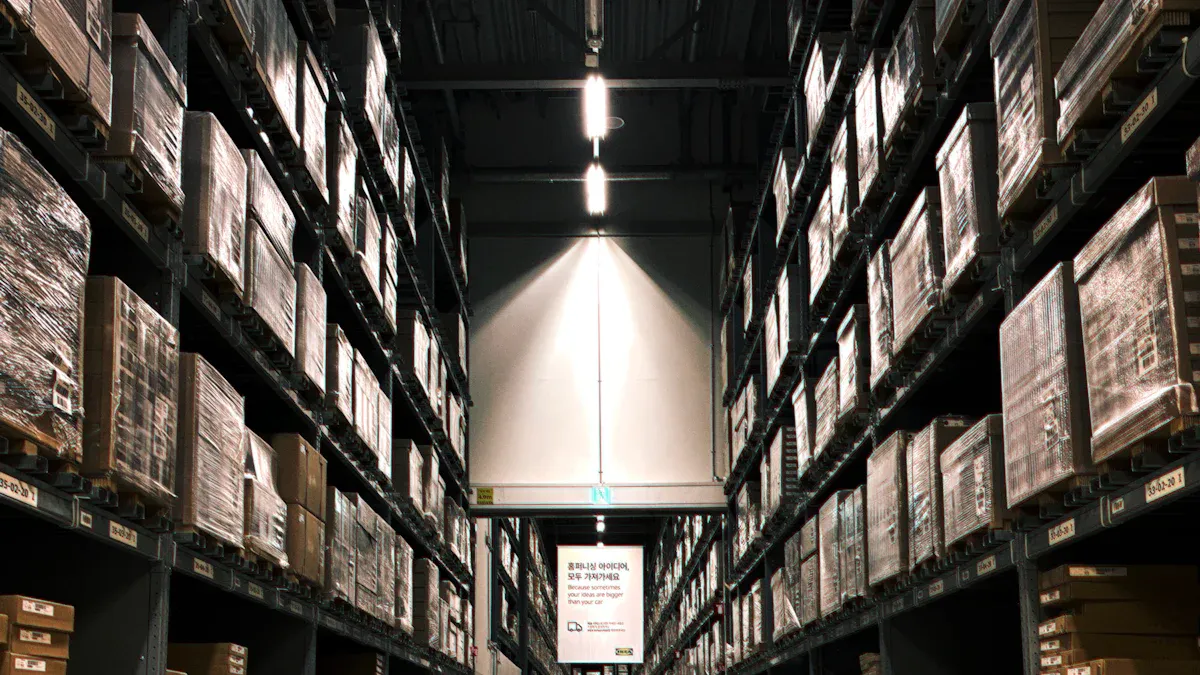
An automated high-bay warehouse gives very high precision in how materials move. Every bin of modified plastic pellets has a unique lot code. The warehouse management system logs every move from arrival to the press. This traceability links resin batches to how well molded parts perform. If a batch has a defect, you can find the exact resin lot in minutes. You don't have to stop using the whole shipment. This accuracy cuts waste and keeps your product quality high.
Lead times get shorter because the automated system does not need a forklift driver. The warehouse gets the right material in seconds and sends it to the molding line. You see faster order times and more reliable delivery dates. A top modified plastic manufacturer runs this whole process without human mistakes. You get quicker turnaround without losing accuracy. The plastics industry needs tight tolerances, and an automated partner meets them every shift.
Cost Savings And Scalability
You save money by storing more material in less floor space. High-bay racking uses height instead of wide aisles. You spend less on rent and heat because the warehouse takes up less space. Robots move goods, so you pay less for labor. You need fewer workers and avoid overtime pay. These savings lower the price per pound of modified plastic material.
Scalability helps you grow. Your production amounts will increase over time. A manufacturer with an automated warehouse can add storage without building a new building. The system can handle more bins and pallets without slowing. You order more and the partner keeps up. You don't have to find a new supplier when your demand goes up. The plastics industry likes partners who invest in automation because it shows they plan to stay competitive. You get a relationship that grows with your business.
You now know how to find a partner you can trust. Go over your steps to check them: ask about ASRS and WMS integration, make sure they have ISO 9001 certification, and review the flow from goods-in to goods-out. Ask for a formal Supplier Quality Agreement before production starts. This document explains inspection rules, how to handle defects, and how changes are managed.
Think about the future. The manufacturer you pick should grow with your volumes, track every pellet back to its resin batch, and keep costs under control throughout your partnership. Ask for a warehouse walkthrough or system audit before you sign. Watch the automated system run during busy hours. Make sure electronic travelers stop progression until inspections pass. These last checks protect your supply for years.
FAQ
What certifications should you confirm before selecting a manufacturer?
Ask for ISO 9001 certification, and if you serve automotive, confirm they meet relevant automotive quality standards. Third-party audit records prove the system works. A credible manufacturer shares these documents without delay.
How does an automated high-bay warehouse improve traceability?
The WMS logs every material move from arrival to the press. Each bin receives a unique lot code. You trace a defect back to its resin batch in minutes.
Can you request a facility walkthrough before signing a contract?
Yes. A serious manufacturer welcomes site visits. Watch the ASRS during peak hours. Observe how AGVs move goods. Verify the goods-in-to-goods-out flow matches their claims.
What questions should you ask on your first call?
Ask about their ASRS platform and WMS integration for lot-level tracking. Request recent audit documentation. Ask for throughput data and on-time delivery records from the past year.
How do you verify a manufacturer uses a real ASRS before visiting?
Ask for a recorded walkthrough or live demonstration. Request dimensional accuracy data for totes. Check if their WMS links directly to injection molding schedules.