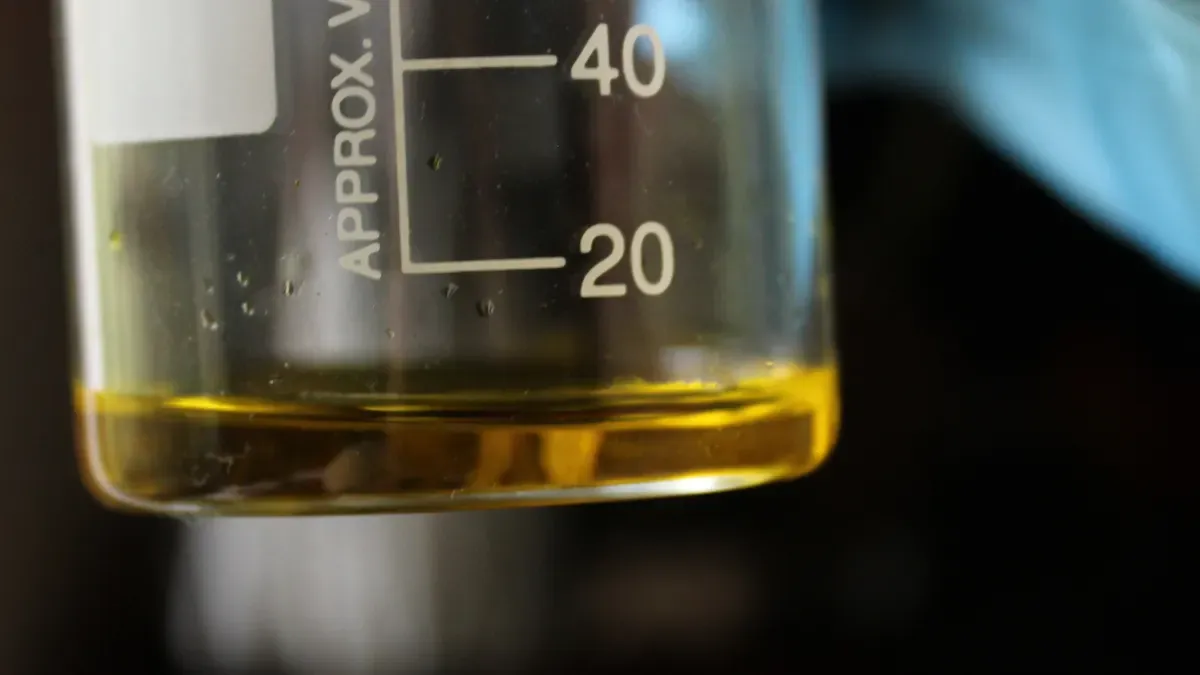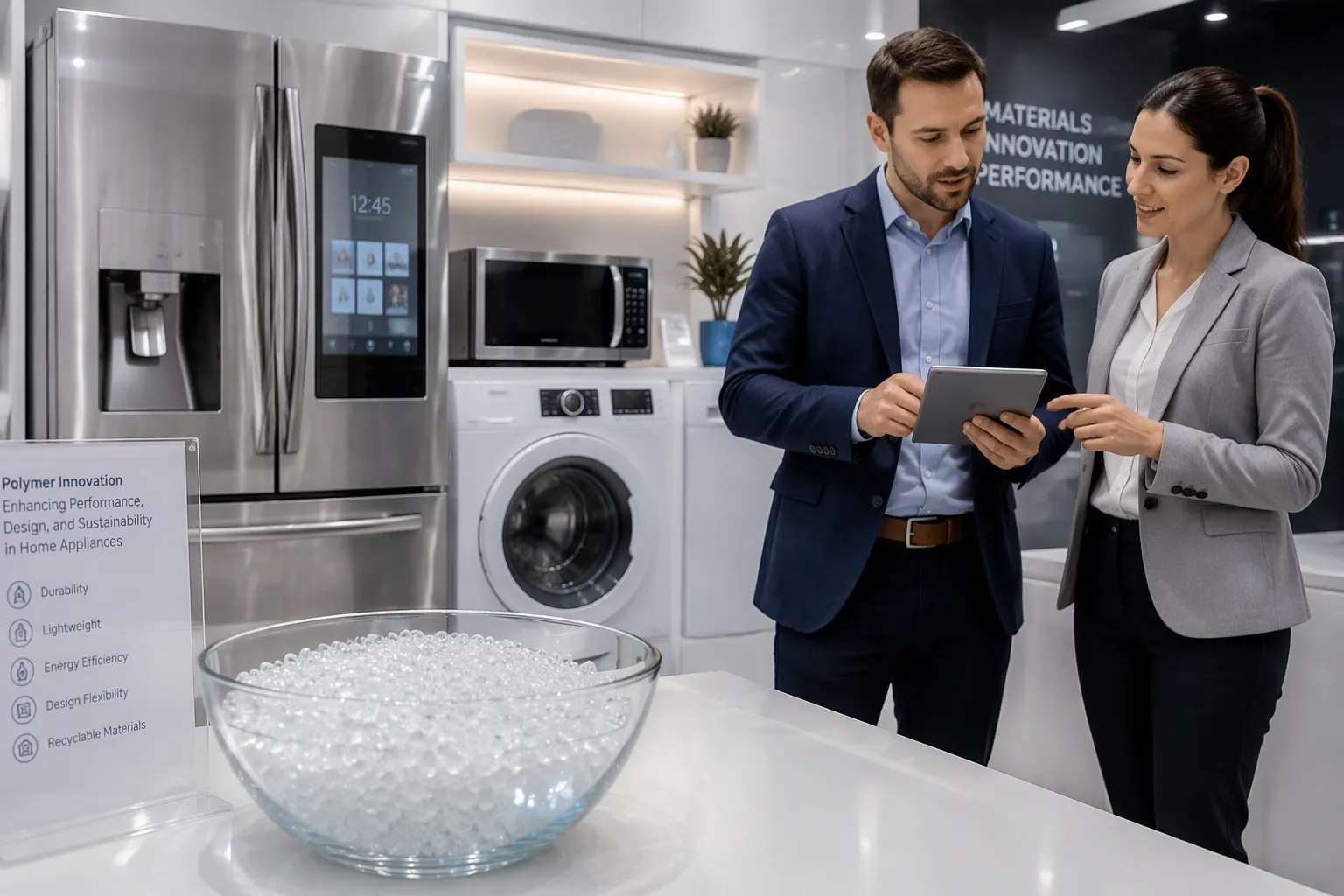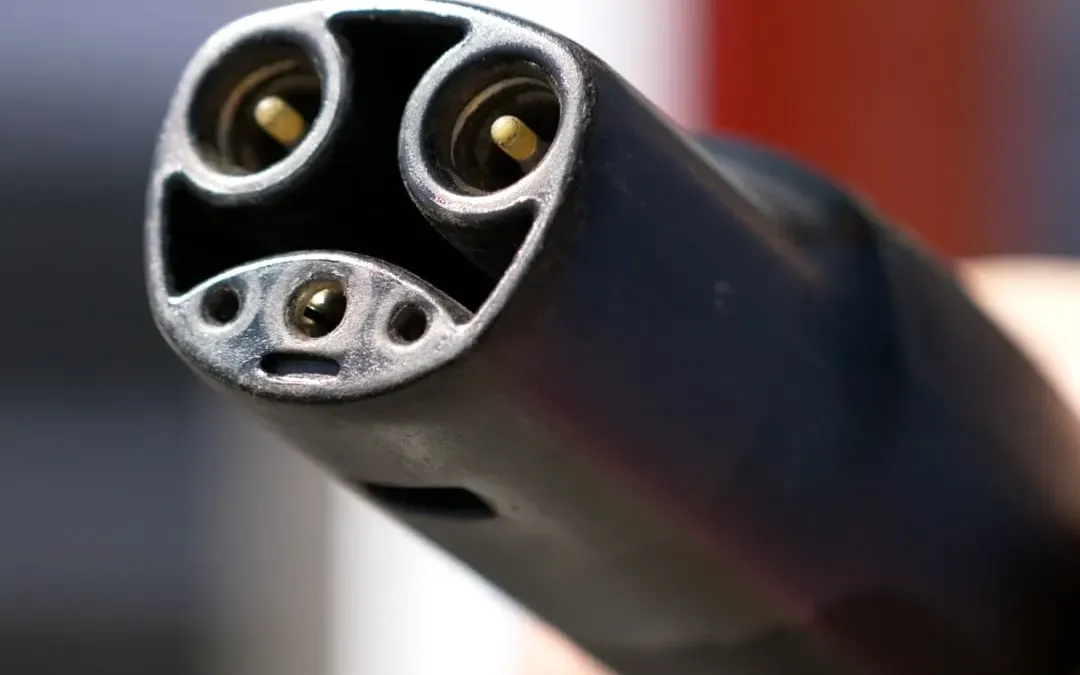

When you need large amounts of modified plastics, three companies stand out in China. Kingfa Sci & Tech leads with over 4 million tons made each year. Silver Age Technology focuses on special materials. Super Dragon works as a flexible Modified Plastics Factory, making paint-free, engineering, and farm materials for buyers around the world.
This guide gives useful facts for B2B buyers. You need steady partners who can handle huge production orders. China's modified plastics industry has grown rapidly over the past decade. This growth shows why these makers now lead global supply chains. Knowing their size helps you choose wisely when buying.
Key Takeaways
Kingfa is the top company, with the ability to make over 4 million tons each year.
Silver Age makes strong plastics, such as LCP and PPS, for tough jobs.
Super Dragon provides adaptable custom options for a wide range of industries.
China's modified plastics output grew almost three times from 2010 to 2019.
Top manufacturers operate numerous production lines and facilities in different areas.
Being close to petrochemical centers and additives lowers costs and reduces delays.
Modern extruders and automation help make better quality products while using less energy.
Government help and grouped factories make production work better.
Key Metrics for Massive Output
Annual Capacity in Tons
Benchmarking Top-Tier vs. Mid-Tier Players
You need a clear way to measure supplier size. Annual tonnage is the main measure. Top-tier makers in China produce over 350,000 metric tons each year. KUMHO-SUNNY, for example, has a combined yearly capacity of over 350,000 metric tons. This number sets a strong standard for what counts as a massive Modified Plastics Factory. Mid-tier players serve local markets well but cannot match the steady supply of larger rivals. When you order in large volumes, you need a partner with strong capacity reserves. Large producers keep extra capacity for sudden demand increases. They also run nonstop production schedules that smaller factories cannot handle.
Industry Growth Data (2010-2019)
China's modified plastics sector grew quickly over the past ten years. This growth shows strong demand from cars, electronics, and home appliances. You gain from this growth because it pushed big investments in production technology. Makers upgraded extrusion lines and mixing equipment to handle more orders. The fast growth also drew global chemical firms to work with Chinese producers. These partnerships brought better formulas and quality standards to local factories. For you as a buyer, this history means today's top suppliers run world-class plants with proven records.
Production Lines and Plant Scale
Extrusion and Compounding Line Counts
Production line numbers show a factory's real capacity. One high-speed compounding line can produce significant tonnage per year. Top makers run many lines across several plants. Each line uses special setups for different plastic types. Some lines handle glass-fiber reinforced compounds. Others process flame-retardant grades or impact-modified blends. You should ask suppliers about their line counts and how much they use those lines. A factory with high utilization rates delivers more reliably. Line age also matters. Newer twin-screw extruders give better mixing quality and save more energy.
Facility Size and Geographic Spread
Physical plant size gives another useful clue. One large facility in Tangxia, Dongguan, covers 16,000 square meters. This space holds production halls, warehouses, and quality control labs. Leading makers often run several such plants across different provinces. Geographic spread lowers shipping risks for you. If one plant faces problems, another site keeps producing. Factories near ports like Guangzhou or Shanghai offer faster export shipping. Inland plants may have lower labor costs but longer delivery times. You should compare your supplier's plant locations with your own supply chain needs.
Market Share and Revenue
Revenue as a Proxy for Scale
Yearly revenue closely matches production volume. Companies with high revenue in modified plastics usually produce at massive scale. Revenue numbers also show financial health and ability to fund research. A profitable maker invests in new equipment and material development. You can ask for audited financial summaries when checking suppliers. These documents show whether a company has steady cash flow for buying raw materials. They also show if the business can survive market downturns without cutting off your supply.
Export Volume and Global Footprint
Export data shows which makers serve global markets well. Leading Chinese producers export a significant portion of their output. They keep overseas warehouses and technical support teams. Some run foreign branches in Southeast Asia, Europe, and North America. This global reach matters when you need steady quality across many regions. Makers with international certifications, such as UL and REACH compliance, show they meet global standards. You should check export papers and ask for customer references in your industry.
Top Modified Plastics Factory Profiles in China
Kingfa Sci & Tech: The Industry Giant
Production Bases in Guangzhou and Zhuhai
Kingfa runs its main office in Guangzhou, with production sites across China and abroad. These locations anchor the company's large manufacturing network. Beyond Guangdong province, Kingfa has built 14 production bases and R&D centers across four countries. You will find its plants in India, Malaysia, Vietnam, Germany, and Spain. This global reach means Kingfa can serve local markets without long shipping delays. When you place a big order, nearby production sites cut your shipping costs and wait times.
Capacity Exceeding 500,000 Tons/Year
Kingfa's size is much bigger than most rivals. The company's modified plastics capacity hits 4 million tons per year. That number puts Kingfa among the world's largest modified plastics makers. Its specialty engineering plastics line adds another 34,000 tons each year. This segment covers high-temperature nylon, LCP, and PPSU materials. In the first quarter of 2025, specialty plastics sales rose 91 percent compared to the same time last year. For you, this growth shows strong demand and steady production ability. Kingfa also makes biodegradable materials. Its PBAT capacity stands at 120,000 tons, with plans to add 180,000 more tons. PLA production adds 30,000 tons. These numbers show a company putting heavy money into future capacity.
Kingfa Capacity Snapshot | Amount |
|---|---|
Modified plastics (total) | 4 million tons/year |
Specialty engineering plastics | 34,000 tons/year |
PBAT (as of H1 2021) | 120,000 tons |
PLA (added Q4 2021) | 30,000 tons |
Poland facility | 300,000 tons/year |
Key Products: Specialty Engineering Plastics for Automotive and Electronics
Kingfa makes specialty engineering plastics including high-temperature nylon, LCP, and PPSU for automotive and electronics. Car makers use these materials for interior panels, bumpers, and parts under the hood. Electronics brands rely on Kingfa's flame-retardant grades for connectors and housings. The company's European plant in Szprotawa, Poland, makes 300,000 tons per year. This site serves car makers and electronics firms across Europe. When you need steady quality in many regions, Kingfa's standard processes deliver the same material traits from any plant.
Silver Age Technology: High-Performance Specialist
Focus on High-Performance Engineering Plastics
Silver Age Technology takes a different route from Kingfa. Instead of competing on sheer volume, this company focuses on high-performance engineering plastics. Its main products include high-performance engineering plastics for demanding applications. These materials handle extreme heat and harsh chemical settings. You will find them in precision connectors, LED lighting parts, and automotive sensors. Silver Age's focus on these advanced polymers lets it charge higher prices and build deep technical know-how.
Advanced R&D and Global Partnerships
Silver Age puts heavy money into research and development. The company has moved into fast-growing niche fields including smart lighting, robotics, and low-altitude aircraft. These markets need materials that balance weight, strength, and heat performance. Silver Age's revenue grew 30.18 percent year over year, with net profit jumping 911.92 percent. Smart lighting orders drove much of this growth. The company also runs production sites in Vietnam alongside its Chinese bases. This two-country plan helps you handle supply chain risks while getting competitive production costs.
Super Dragon: A Leading Modified Plastics Factory
Diverse Portfolio: Paint-Free, Engineering, and Agricultural Materials
Super Dragon works as a flexible Modified Plastics Factory serving many industries. Its product lineup includes paint-free materials that remove traditional painting steps. These materials give products a high-end look while cutting environmental harm. Engineering materials from Super Dragon deliver strong toughness and steady shape. The company also creates new agricultural materials that help crops survive harsh conditions. Smart home appliance materials round out the lineup, offering heat resistance and long service life.
Applications in Robotics, Automotive, and Smart Appliances
Super Dragon's materials reach many end markets. Robotics makers use its light, impact-resistant compounds for moving parts. Automotive suppliers pick Super Dragon materials for structural and look-focused parts that boost fuel efficiency. Smart appliance brands choose its heat-resistant grades for long-lasting performance. The company also serves the electronics sector with materials that handle heat management issues. Major clients include Midea, Hisense, and GAC. These partnerships show Super Dragon's ability to meet strict quality standards from top brands.
Commitment to Sustainability and Custom Solutions
Super Dragon creates materials with environmental impact in mind. The company focuses on cutting waste and energy use during production. Its ceramic PEEK material for high-end electronics withstands temperatures above 200 degrees Celsius while keeping steady shape. This innovation shows Super Dragon's technical depth. Revenue grew 5.76 percent year over year, with net profit rising 13.75 percent. When you need custom formulas, Super Dragon's R&D team works closely with your engineers. They adjust material traits to match your specific application needs, ensuring the final product performs exactly as required.
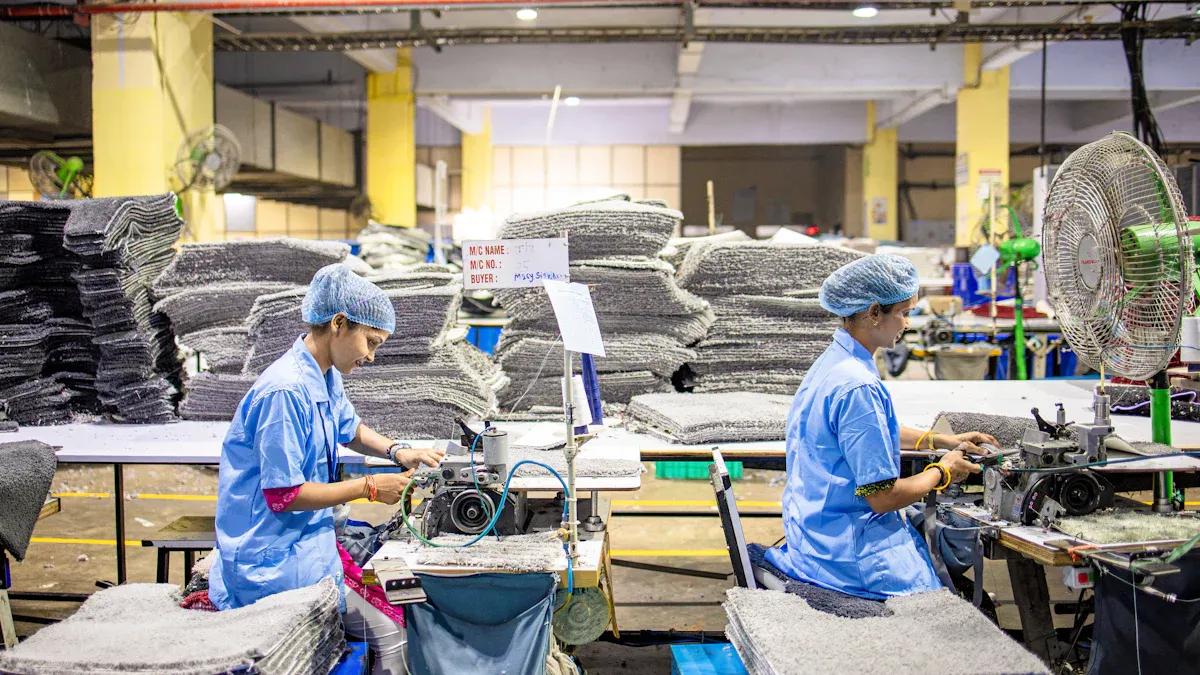
Inside a Leading Modified Plastics Factory: Super Dragon
Product Innovation and Customization
Paint-Free and Engineering Materials
Super Dragon starts product work by asking one key question: what problem does your part face? The company sorts its products into sub-brands, and each one fixes a different performance gap. Polysailing materials resist heat and impacts for tough mechanical jobs. Polysikon compounds skip the painting step entirely, so parts come out with a finished surface right from the mold. This saves you time, lowers harmful emissions, and removes one whole quality check from your production line.
Super Dragon's engineering materials handle heavy loads that standard plastics cannot manage. These compounds keep their shape under constant stress and high heat. When you design a bracket, housing, or load-bearing frame, you need steady creep resistance and impact strength. Super Dragon's engineering grades give you those traits without forcing you to make walls thicker than needed. The result is lighter parts, faster cycle times, and lower material costs per unit.
The customization process follows a clear path. First, you study the part's working conditions, noting temperature extremes, mechanical loads, and chemical exposure. Second, Super Dragon's R&D team picks the right polymer base and additive package based on that study. Third, they tweak material traits, like melt flow rate for injection molding or viscosity for extrusion, to match your manufacturing process exactly. This three-step method means you get a compound built for your machine, not a generic off-the-shelf grade.
Thermoplastic Elastomers and Special Materials
Super Dragon's thermoplastic elastomers fill a gap that many buyers find tricky. These materials give you the flexibility and grip of rubber but process like standard plastics on normal equipment. The Polysylene sub-brand focuses on this category, serving parts that need repeated bending without cracking or losing shape. You find these compounds in gaskets, seals, soft-touch grips, and vibration-damping parts. Because they run on standard injection molding machines, you skip the slower, costlier vulcanization steps that rubber requires.
Special materials complete the lineup for unusual challenges. Super Dragon creates these compounds when standard engineering plastics fall short. Some uses need chemical resistance that regular polymers cannot provide. Others need flame retardancy plus mechanical toughness. The company's special materials team works directly with your engineers to define the exact property profile needed. They then build a custom formula and test it against your stated performance criteria before scaling to full production.
Industry Applications and Client Collaboration
Automotive and Robotics Solutions
Automotive suppliers pick Super Dragon materials for parts that must balance lighter weight with safety needs. Interior components, under-hood brackets, and structural parts all benefit from the Polysailing sub-brand's heat and impact resistance. When you build a bumper bracket or a door module carrier, you need a material that absorbs energy without shattering in cold weather. Super Dragon's engineering compounds deliver that performance while helping you hit fuel-efficiency goals through lighter part weight.
Robotics brings even tougher demands. Robotic arms move fast and stop suddenly, so their parts face repeated impact loads. End-effector housings and joint covers need materials that resist fatigue over millions of cycles. Super Dragon's high-impact compounds stay tough across a wide temperature range, so your robots work reliably in a warm factory or a cold warehouse. The company teams up with robotics makers during the design phase, adjusting material stiffness and damping traits to match each joint's motion pattern.
Client collaboration goes beyond picking materials. Super Dragon's technical team reviews your part design, suggests gate locations for best filling, and recommends wall thicknesses that prevent sink marks. They also give processing settings, including barrel temperatures and injection speeds, that help your molding staff get steady results from the first shot. This hands-on partnership cuts your development time and gets products to market faster.
Electronic and Electrical Material Safety
Electronic housings and connectors need materials that put safety first. Super Dragon's electronic and electrical grades offer strong insulation, heat stability, and flame retardancy. These compounds meet the strict safety standards that certification groups require for consumer electronics and industrial gear. When you build a power connector or a battery housing, you need a material that keeps its insulating properties even after years of heat exposure.
The company's special materials for electronics also tackle heat management issues. Parts that generate lots of heat need housings that spread that energy without warping. Super Dragon makes thermally conductive compounds that pull heat away from sensitive electronics while keeping electrical insulation. This mix of traits lets you design smaller, more powerful devices without worrying about early failure from overheating.
Super Dragon's focus on sustainability shapes its material development plan. The company has set public goals for carbon peaking by 2030 and carbon neutrality by 2050. These targets drive their research into recycled-content compounds and bio-based polymers. When you choose Super Dragon as your Modified Plastics Factory partner, you get materials that help you meet your own environmental goals without losing performance. The company's R&D team keeps testing new raw materials and processing methods that cut energy use and waste across the whole production cycle.
Factors Enabling Large-Scale Production in China
Raw Material and Supply Chain Advantages
Proximity to Petrochemical Hubs
China's top Modified Plastics Factory operators sit close to major petrochemical bases. This location choice cuts raw material costs and shortens delivery times. You benefit from these savings when you place large orders. The table below shows how different regions support plastic production with distinct advantages.
Region | Hub | Advantage for Buyers |
|---|---|---|
Shandong | Zibo/Qingdao (Qilu Petrochemical) | Direct supply of PP, PE, and PVC from production sites at competitive prices |
Shandong | Linyi (East China Plastic Market) | Low logistics costs serving North and Northeast China |
Zhejiang | Taizhou, Luqiao Market | Active trading in modified and mold-related materials near "China Mold Capital" |
Yangtze River Delta | Shanghai, Suzhou, Ningbo | High-end engineering plastics cluster with global petrochemical giants |
Pearl River Delta | Dongguan, Shenzhen, Foshan | Diverse demand from general-purpose to high-end materials |
These hubs feed raw polymers directly into nearby compounding plants. You avoid long rail or truck hauls that add cost and delay. Major upstream petrochemical companies operate many of these base facilities. Their steady output keeps material prices stable for large buyers.
Mature Domestic Additive Supply Chain
Additives make up a small share of each compound but control its final properties. China's domestic additive industry now supplies flame retardants, impact modifiers, UV stabilizers, and colorants in bulk. You gain shorter lead times because your supplier does not wait for imported additives. Domestic production also lowers costs. A mature supply chain means your Modified Plastics Factory partner can test new formulas quickly without cross-border shipping delays.
Technology and Automation Investments
High-Speed Compounding Lines
Modern twin-screw extruders run at rotational speeds up to 2,000 rpm. Torque density exceeds 16 Nm/cm³. These machines produce more material per hour while mixing additives evenly. Chinese equipment makers now build lines that match global standards.
Manufacturer | Key Technology | Capacity or Feature |
|---|---|---|
Jwell Machinery | SHJ series twin-screw extruders | Up to 2,000 kg/h with modular design |
Nanjing Ruiya (CPM) | Industrial-scale extruders up to 92mm | GB/T compliance and local technical support |
Well Shyang | WSH series co-rotating twin-screw extruders | High dispersion for masterbatch |
Nanjing Giant | Modular high-torque extruders | Custom-engineered with energy-saving drives |
Intelligent control systems using PLC, IoT, and AI cut energy use by 15 to 23 percent. These systems also improve product consistency. You receive the same material quality from batch to batch because automated controls adjust temperatures and screw speeds in real time.
In-House R&D Capabilities
Large producers invest heavily in research laboratories. Their teams develop new formulas for specific applications. You can request custom compounds without paying for external development services. In-house testing equipment verifies impact strength, heat resistance, and flame retardancy before full production runs. This capability shortens your product development cycle considerably.
Government Support and Industrial Clusters
National Policies for Advanced Materials
China's central government lists advanced polymer materials as a strategic industry. National policies direct funding toward research and production capacity expansion. You benefit because these policies keep production costs competitive. They also encourage factories to adopt cleaner manufacturing methods that meet international environmental standards.
Benefits of Specialized Economic Zones
Specialized economic zones offer tax breaks, cheaper land, and streamlined permits. Many large plastic producers operate inside these zones. The clustering effect brings suppliers, equipment makers, and technical talent into one area. When you audit a factory in such a zone, you find shorter supply chains and faster problem-solving. The concentration of expertise also means your partner can source spare parts and technical help within days, not weeks.
Massive output never comes from volume alone. Scale, technology, and supply chain integration work together. Kingfa's 4 million tons of yearly capacity show what deep resources achieve. Silver Age proves that specialized high-performance materials command premium markets. Super Dragon demonstrates flexibility across paint-free, engineering, and agricultural sectors.
You gain the most when you match your needs to each maker's strengths. Kingfa serves massive automotive and electronics orders. Silver Age handles demanding thermal and chemical applications. Super Dragon customizes solutions for robotics, appliances, and sustainability goals.
China's modified plastics output continues climbing. Buyers who partner with these leaders secure reliable supply for years ahead. Contact them directly to discuss your volume requirements.
FAQ
How do I verify a manufacturer's actual production capacity?
Ask for recent shipping records and utility bills. Compare those numbers against their stated capacity. Visit the plant if possible. Check how many compounding lines run during your tour. A factory with high utilization delivers more reliably.
What minimum order quantity should I expect from top-tier manufacturers?
Large producers typically require substantial monthly orders for custom compounds. Standard grades may allow smaller quantities. Discuss your monthly volume early in conversations. Suppliers reserve production slots for steady, predictable buyers. Smaller trial orders help you test quality before committing to massive volumes.
How long does a typical custom compound development take?
Most custom formulations take several weeks from initial discussion to production-ready material. Your supplier's R&D team studies your part's working conditions first. They then adjust polymer bases and additive packages. Testing follows against your stated performance criteria. Plan extra time for complex applications like robotics or high-heat electronics.
Can Chinese manufacturers match international quality standards?
Yes. Leading producers hold UL and REACH certifications. They export a significant portion of their output to global markets. Many run overseas branches in Europe, North America, and Southeast Asia. Ask for audit reports and customer references in your industry before committing.
What makes Super Dragon different from Kingfa or Silver Age?
Kingfa leads in sheer volume with 4 million tons yearly capacity. Silver Age specializes in high-performance materials for demanding applications. Super Dragon offers flexibility across paint-free, engineering, agricultural, and elastomer products. Choose Super Dragon when you need custom solutions across multiple industries with strong sustainability focus.
How do Chinese manufacturers handle supply chain disruptions?
Top producers run multiple plants across different provinces. Geographic spread lowers shipping risks. If one site faces problems, another keeps producing. Many also maintain overseas warehouses. Ask your supplier about their backup production plans before signing long-term contracts.
What certifications should I request from a modified plastics supplier?
Request UL certification for flame-retardant materials. Ask for REACH compliance documents for European markets. Check RoHS compliance for electronics applications. Review ISO 9001 quality management certification. Each certification proves the factory meets specific international standards your end customers will expect.
How does pricing compare between Chinese and Western suppliers?
Chinese producers typically offer lower prices due to raw material proximity and government support. You save on logistics when ordering from plants near major ports. However, factor in shipping costs, customs duties, and longer lead times. Compare total landed cost, not just unit price, when evaluating suppliers.