
The electronics industry needs housings that can take hits, resist flames, and still look good. Modified ABS materials meet these needs with better properties. Trustworthy Modified ABS manufacturers provide steady quality, cost control, and quick time-to-market. These factors directly affect product success. Material benefits form the base for housing performance. Manufacturing skills decide precision and finish quality. Quality assurance keeps long-term reliability in the field. Production flexibility cuts time-to-market a lot. Knowing how these parts connect helps buyers check possible suppliers with care. Picking the right manufacturing partner means focusing on each key part for tough electronic uses. The right choice leads to better product results in competitive electronics markets.
Key Takeaways
Modified ABS plastics give better impact resistance and flame retardancy for electronics housings.
Pick a maker that has good mold design and injection molding know-how to get exact parts.
Quality checks at each stage help create dependable housings that meet safety rules.
Flexible manufacturing options allow small orders and fast prototyping.
A good manufacturing partner helps you get your products to market quicker and with fewer risks.
Material benefits of modified ABS for housings
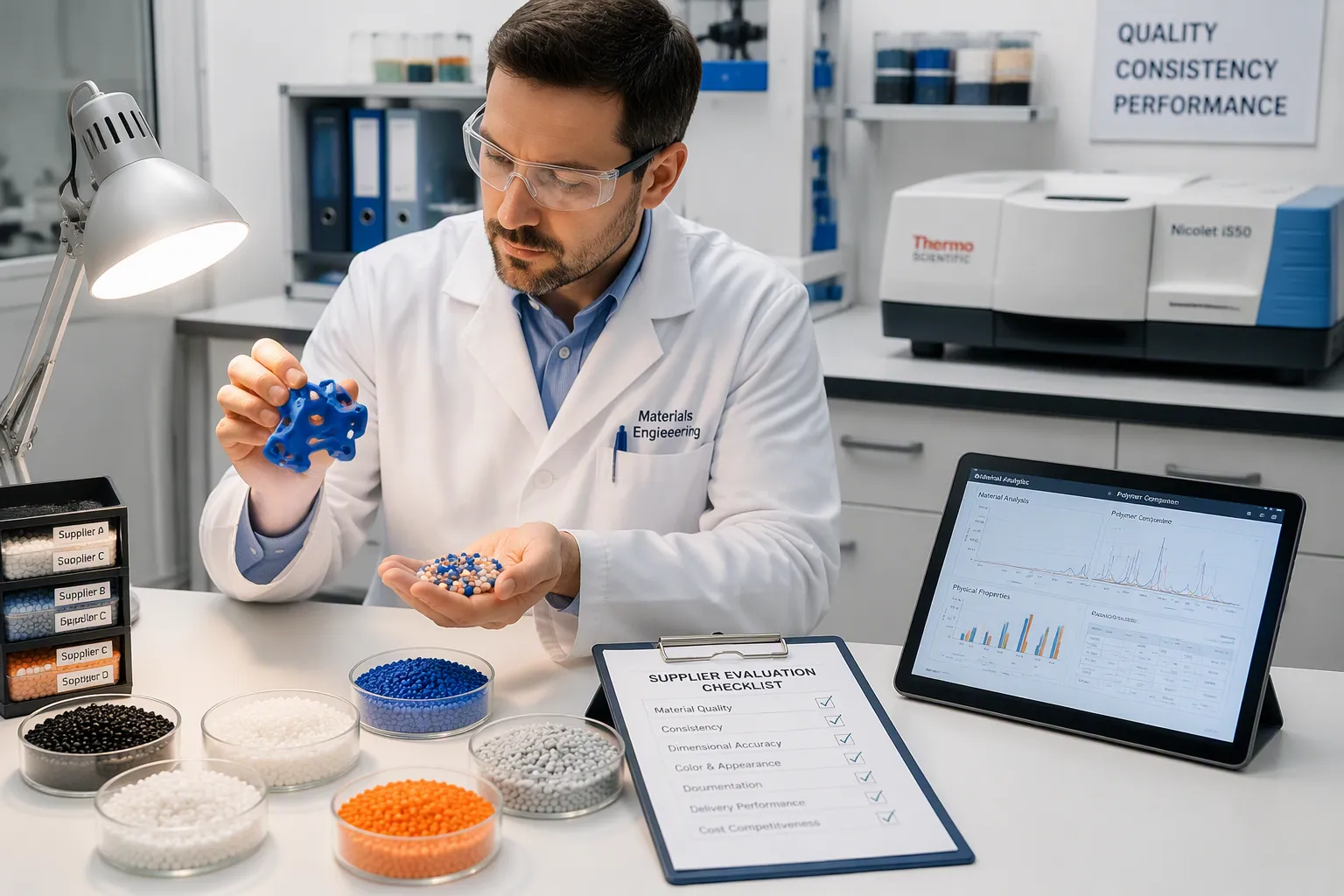
Modified ABS plastics offer a strong mix of qualities that make them a top pick for electronics enclosures. Standard ABS already gives toughness, stiffness, and electrical insulation. Modified versions push these traits even further. Blends such as PC+ABS join polycarbonate's heat resistance with ABS's ease of molding. This mix boosts impact strength and heat deflection, which matters for devices that get warm while running. Super Dragon's Polysesle Electronic and Electrical Materials are a good example of this group, offering strong insulation, heat control, and flame resistance for tough electronic uses.
Impact resistance and flame retardancy
Electronics housings face constant risks from drops, shaking, and heat stress. Modified ABS grades handle these issues with proven performance. The table below shows typical notched Izod impact values for different ABS types.
ABS Grade | Notched Izod Impact (J/m) | Application Context |
|---|---|---|
Flame-Retardant ABS (UL 94 V-0) | 196 | Electrical enclosures, fire safety compliance |
High-Impact ABS (Modified) | > 400 | Protective housings, repeated low-temperature impacts |
General notched Izod impact ranges for ABS sit between 200 and 500 J/m. High-impact modified grades keep more than 120 J/m at -40°C, which shows they work well in cold places. This low-temperature toughness stops cracking when outdoor gear faces freezing weather.
Flame retardancy adds another layer of safety. UL 94 V-0 rated materials stop burning quickly after ignition. This rating becomes vital for devices that stay on for long stretches. Polysesle materials from Super Dragon include flame-retardant additives without losing mechanical strength. Manufacturers can then make enclosures that meet strict safety rules while keeping their structure strong.
Surface finish and color consistency
The look of a housing often shapes how people judge a product's value. Injection molded ABS parts take on the finish of the mold surface directly. High-polish molds pass their smoothness to the final part. Higher mold temperatures let the polymer flow more easily, which improves gloss replication.
Designers must set cosmetic A-surfaces and acceptable defect limits early in the process. They should confirm whether the finish involves molded texture, paint, plating, polish, or laser marking. Gates, ejectors, and parting lines belong away from key visual zones. Coating thickness affects assembly dimensions, so teams must plan for it. Real molded samples confirm the finish before mass production starts.
The SPI finish grades give a helpful guide for specifying surface quality.
SPI Grade | Finish Type | Typical Application for ABS Housings |
|---|---|---|
A-1, A-2 | Matte | Industrial machine parts, hidden interfaces, non-cosmetic areas |
B-2, B-3 | Low Gloss Satin | Consumer products needing a pleasing low shine |
C-1, C-2 | Gloss | Display parts, electronics, and touchscreen uses |
Color consistency depends on exact pigment mixing during compounding. Trustworthy modified ABS manufacturers control this process carefully, making sure every batch matches the approved color standard.
Key capabilities of modified ABS manufacturers
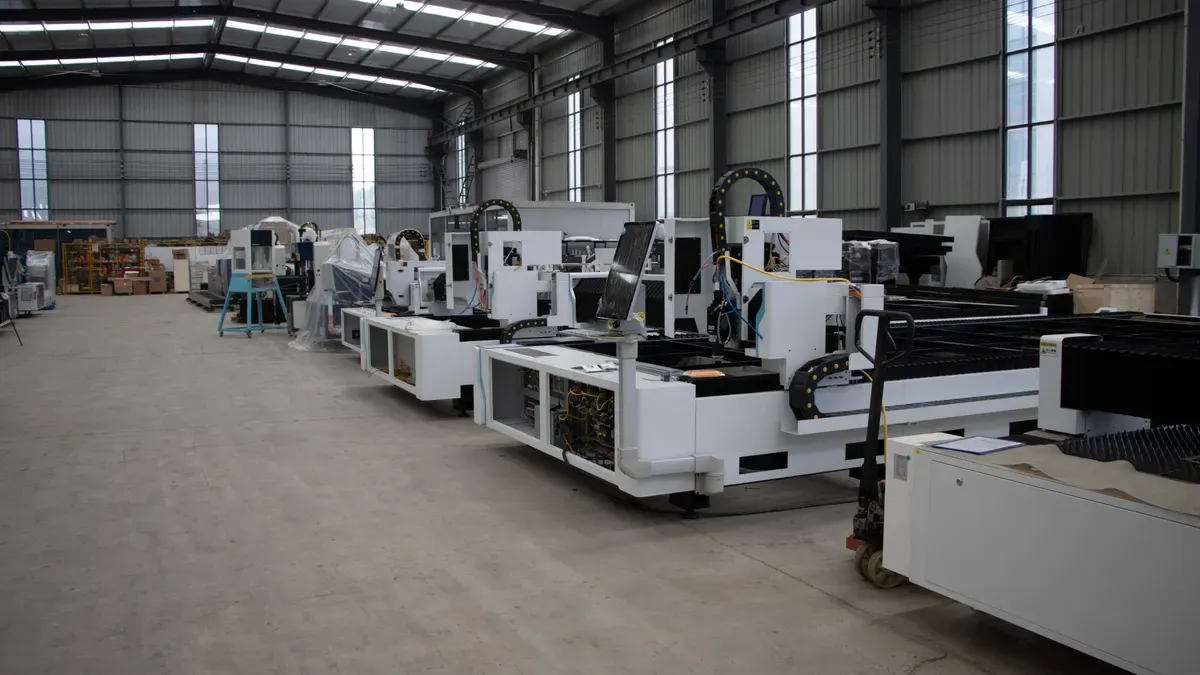
The difference between a good housing and a great one often comes down to manufacturing skill. Modified ABS manufacturers bring special knowledge that turns raw plastic pellets into precise, durable enclosures. Their skills decide how well a design becomes a real product that meets performance and appearance goals.
Mold design and injection precision
Mold design is the base of every successful ABS housing project. Top manufacturers put heavy investment into precision mold engineering for complex enclosure shapes. These molds support living hinges, snap-fit parts, and built-in gasket channels that allow weatherproof sealing without extra components. A well-designed mold removes weak spots and keeps wall thickness even across the whole part.
Multi-cavity production molds are another key skill. These tools make several housings in one cycle, boosting efficiency and lowering cost per unit. During first article inspection, skilled manufacturers measure 30 data points per cavity on critical dimensions. Seal surfaces, mounting holes, and connector cutouts get extra attention because these features decide whether the final product fits together right and works reliably.
Design for Manufacturing (DFM) reviews happen before any steel gets cut. Engineers study wall thickness needs, find critical sealing surfaces, and suggest design changes for better moldability. This early teamwork prevents costly fixes later in the production schedule. Custom mold design with tooling that delivers consistent wall thickness and tight tolerances ensures weatherproof sealing in outdoor and industrial uses.
Advanced injection molding for PC+ABS materials needs strict process controls. Melt temperature, injection pressure, and cooling time all affect dimensional stability. Super Dragon's Smart Home Appliance Materials show this precision focus. These materials offer great electrical insulation, heat resistance, and design flexibility, letting manufacturers create sleek, energy-efficient devices that fit smoothly into modern living spaces. The mix of precise tooling and controlled processing produces housings that meet exact specs batch after batch.
Several companies show these skills in action. Rayleap Plastic focuses on PC+ABS custom enclosure molding for consumer electronics. Toolless offers tool-less ABS enclosure manufacturing for fast development cycles. Hammond Mfg. provides hand-held ABS enclosures with proven durability. CDT fabricates custom ABS enclosures tailored to specific industrial needs. Each example shows how specialized manufacturing expertise delivers better results.
Post-processing and assembly
Molding is only part of the production journey. Post-processing and assembly services add real value for electronics manufacturers. Surface finishing options include texture application, painting, and laser marking. These processes boost both appearance and function. Texture hides small surface flaws while improving grip. Painting adds brand colors and protective layers. Laser marking creates permanent labels and serial numbers.
Assembly skills differ among manufacturers. Some offer full turnkey services that include inserting threaded fasteners, installing gaskets, and attaching connectors. Others provide ultrasonic welding for joining multiple housing parts into one sealed unit. These secondary steps need careful handling to avoid damaging molded surfaces or hurting dimensional accuracy.
Quality-focused manufacturers combine post-processing with inspection checkpoints. Each station checks critical features before passing parts to the next step. This method catches defects early and stops rework costs from building up. Modified ABS manufacturers that control the whole production chain deliver more consistent results than those sending post-processing to outside vendors.
Choosing a manufacturing partner should include a full review of these skills. Buyers should ask for samples, tour facilities, and check quality documents before starting production. The right partner brings both technical know-how and operational discipline to every project.
Quality assurance in modified ABS production
Quality assurance is what separates dependable suppliers from unreliable ones. Modified ABS manufacturers earn trust by checking their work at every step of production. These checks catch problems before they turn into expensive failures in the field. A strong quality program protects both the housing maker and the customer who buys the final product.
Raw material and in-process controls
Quality starts before molding even begins. Trustworthy suppliers check every incoming resin batch against approved specifications. They test melt flow index, moisture content, and color values. Moisture is a special concern for ABS materials. Too much water causes surface defects and weakens the plastic's strength. Dryers must run at the temperatures and times recommended by the manufacturer before processing starts.
Monitoring continues throughout the molding cycle. Operators track key settings such as melt temperature, injection pressure, and cooling time. Modern machines record these values automatically for every cycle. This data creates a digital record for each production run. If a defect shows up later, engineers can trace it back to the exact processing conditions.
Dimensional checks happen at set times during production. Technicians measure important features using calipers, micrometers, or coordinate measuring machines. Seal surfaces and mounting holes get extra attention because these parts determine how well the final assembly fits together. Consistent wall thickness also matters for preventing warpage and uneven shrinkage.
Color checks occur regularly during long production runs. Spectrophotometers compare molded samples against approved color standards. This tool measures color differences numerically, catching small shifts that human eyes might miss. Any change beyond acceptable limits triggers an immediate process adjustment.
First article inspection is the most thorough checkpoint. This complete review of the first production sample verifies every dimension, surface finish, and functional requirement. The inspection report records measurements for all critical features. This document becomes the baseline for comparing future production batches.
Final product testing standards
Final testing confirms that finished housings meet performance requirements. Impact testing checks toughness under real-world conditions. Drop tests from set heights simulate accidental falls during handling or use. Flame retardancy testing verifies that materials still meet UL 94 ratings after molding. The molding process can affect how additives spread, so this check matters.
Dimensional verification continues at final inspection. Statistical process control methods track measurements across multiple batches. This approach spots trends before parts fall outside specification limits. Consistent dimensional control ensures that housings fit properly with internal components and matching enclosures.
Functional testing checks features that affect assembly and use. Snap-fit connections must engage properly without cracking. Threaded inserts need correct positioning and torque resistance. Gasket channels require accurate depth for proper sealing. Each functional test confirms that the housing works as designed.
Environmental testing simulates service conditions. Temperature cycling checks dimensional stability across hot and cold extremes. Humidity exposure verifies that materials resist moisture absorption. UV exposure testing confirms color stability for outdoor applications. These tests provide confidence that housings will perform reliably throughout their service life.
Traceability systems connect every finished housing to its raw material batch and processing history. Serial numbers or lot codes allow manufacturers to isolate problems quickly. This traceability proves valuable during warranty investigations or regulatory audits. Modified ABS manufacturers with complete documentation reduce risk for their customers.
Certified quality management systems add another layer of assurance. ISO 9001 certification shows commitment to consistent quality processes. Some manufacturers pursue additional certifications for specific industries or applications. Buyers should request quality documentation and audit reports when evaluating potential suppliers.
The combination of incoming material verification, in-process monitoring, and final product testing creates a complete quality framework. Each checkpoint catches different types of defects. Together, these controls deliver housings that meet specifications consistently across production runs.
Production flexibility and support services
Product development timelines keep shrinking across the electronics industry. Modified ABS manufacturers offer flexible production options that fit different project stages. Buyers no longer need to order huge amounts before testing their designs. This flexibility lowers financial risk and speeds up the trip from idea to market.
Low MOQ and rapid prototyping
Old-style injection molding often required large orders to pay for tooling. That problem is gone for many modern suppliers. Some manufacturers now take any order size, from single prototype parts to full production runs. This lets design teams test real molded parts without ordering thousands of units.
BeePlastics says: "No, we have no minimum order quantity at BeePlastics. We support orders of all sizes, from single prototype pieces to large-scale production runs."
Rapid prototyping services use modified ABS materials to test designs before expensive tooling starts. SLA ABS resin, a modified ABS type for 3D printing, lets teams check enclosure shape. They can test dimensional accuracy, PCB fit, and snap-fit performance on real parts. Assembly testing finds fit problems that computer models might miss.
Aspect | Evidence from Case Study |
|---|---|
Material used | SLA ABS resin (a modified ABS variant for 3D printing) |
Application | Checking an industrial electronics enclosure function |
Key DFM checks | Dimensional accuracy, PCB fit, snap-fit performance, assembly testing |
Speed benefit | Prototype delivered in 24–48 hours (down from 10 days) |
DFM outcome | Many design changes done before tooling; avoided costly tooling fixes |
Overall impact | Sped up product development cycle by more than 70% |
Standard lead times for ABS injection molding usually run from 4 to 8 weeks. Simple parts can finish in about 4 weeks, while complex designs with tight tolerances may take over 10 weeks. Small runs under 1,000 parts fit within the normal window. High-volume orders over 10,000 pieces add 1 to 2 weeks. Specialty ABS grades with fire-retardant properties or custom colors need extra time to get. Quality testing and certifications add another 3 to 5 days.
DFM support and global logistics
Design for Manufacturing support starts before any tooling work begins. Engineers check wall thickness, draft angles, and gate placement to avoid molding defects. This early review catches problems that would later need expensive mold changes. Many design changes done before tooling removes costly rework and speeds up the whole product development cycle.
Global logistics skills matter for companies shipping products worldwide. Experienced manufacturers have distribution networks that move finished housings across borders. They handle export paperwork, customs clearance, and freight coordination. This service cuts the admin load on electronics brands that focus on their main skills.
Buyers should check a manufacturer's ability to scale production as demand grows. A partner that starts with prototype amounts and grows smoothly to high-volume runs offers strategic value. Modified ABS manufacturers with flexible production systems help electronics companies react quickly to market changes without holding too much extra stock.
Material advantages form the foundation for durable electronics housings. Manufacturing capabilities determine precision and surface quality. Rigorous quality assurance ensures long-term reliability in demanding environments. Production flexibility reduces financial risk and accelerates time-to-market.
The right supplier becomes a strategic partner, not merely a vendor. This partnership delivers consistent results across every production phase. Buyers should apply the outlined criteria as a practical checklist when evaluating potential partners. Each factor matters for successful product outcomes.
Advanced materials and specialized manufacturing expertise will grow increasingly vital as electronics evolve. Modified ABS manufacturers who master these elements position their customers for sustained competitive advantage in rapidly changing markets.
FAQ
What factors determine the right modified ABS grade for a housing?
Designers must think about operating temperature, impact exposure, and flammability needs. Flame-retardant grades fit devices that run all the time. High-impact grades shield equipment in tough environments. Surface finish needs matter too. A manufacturer's material engineers can suggest specific blends based on application needs and safety rules.
How can buyers verify a manufacturer's quality claims?
Buyers should ask for first article inspection reports and ISO 9001 certification papers. Facility tours show process controls up close. Asking for reference customers in similar fields offers practical insight. Independent lab testing of sample parts confirms performance specs before committing to production amounts.
What prototyping options exist before committing to production tooling?
Tool-less manufacturing and 3D printing with SLA ABS resin allow functional testing without steel molds. These methods produce parts within 24 to 48 hours. Teams can check dimensional accuracy, PCB fit, and snap-fit performance. Design changes happen before costly tooling starts, saving significant time and money.
How does order quantity affect cost per housing unit?
Higher volumes spread tooling costs across more parts, lowering unit prices a lot. Small runs under 1,000 pieces cost more per unit but cut inventory risk. Manufacturers with flexible production systems help buyers scale up slowly. This approach balances upfront investment against market demand uncertainty.