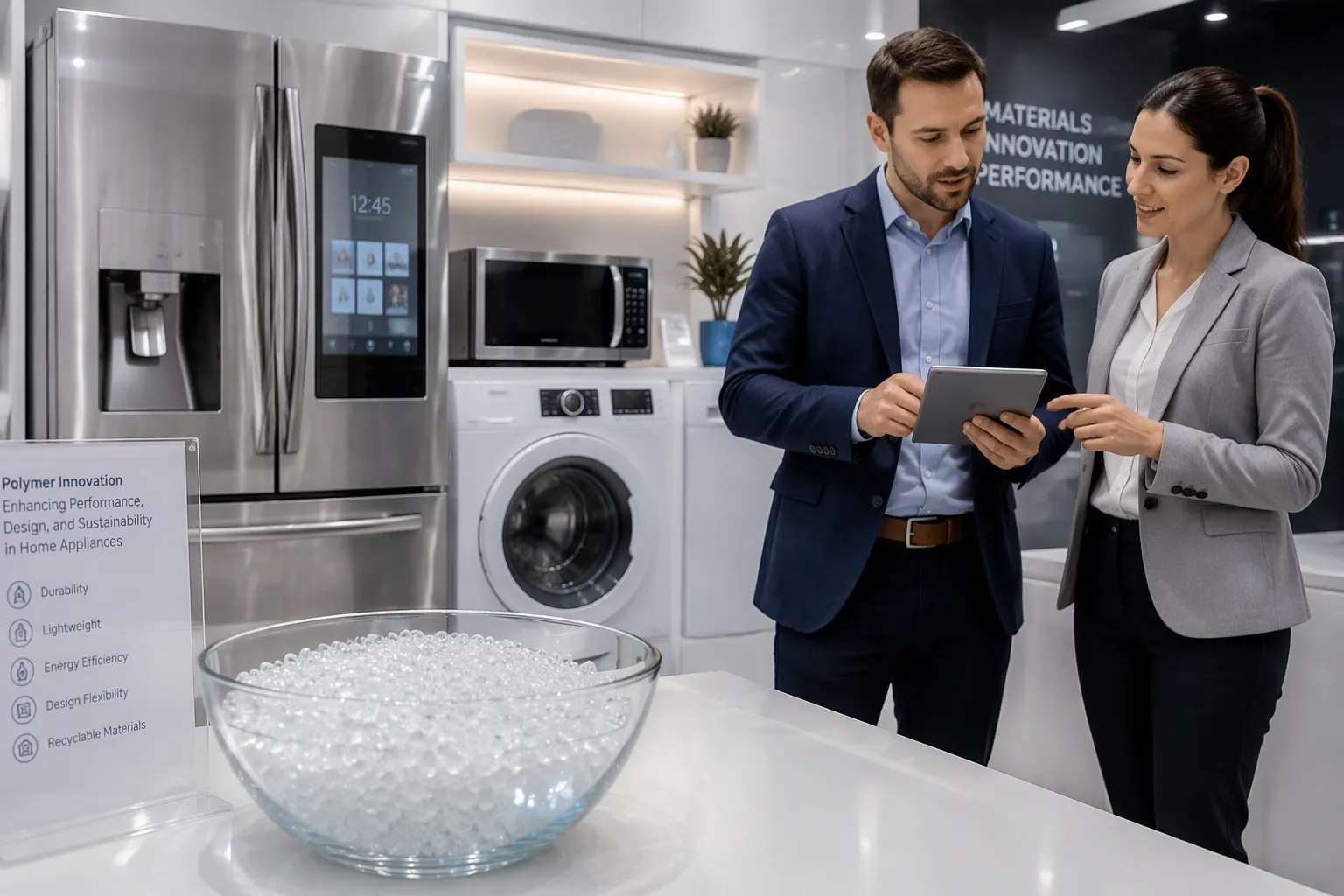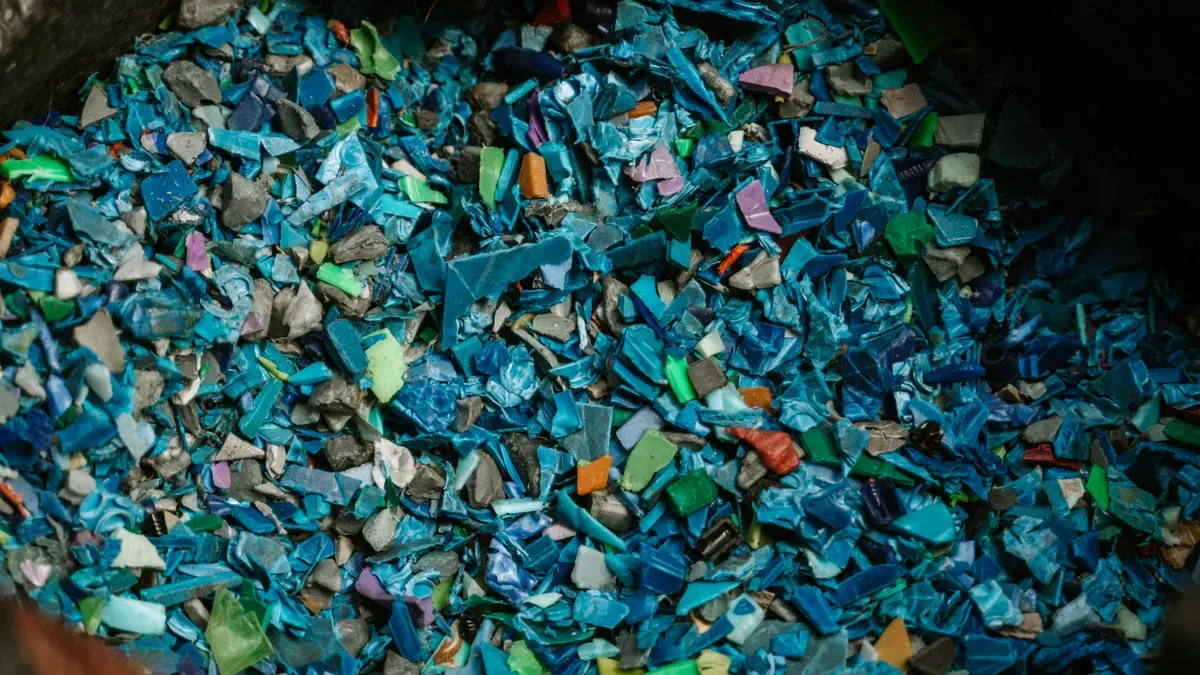

Picture this: you launch a new washing machine, and within months, cracks show up in the drum hub. A recall follows. The problem traces back to uneven batches of Modified PP from your supplier. You learn a tough lesson—the formula matters, but the company behind it matters just as much.
You need a partner who sends the same quality material every time. You must check four areas: material quality, certifications, supply chain support, and total cost. Each one protects your product and your good name.
This guide gives you a simple checklist to review modified PP manufacturers before you agree to work with them.
Key Takeaways
Pick a manufacturer that offers steady material quality and clear test reports for each batch.
Check that your supplier has the needed certifications, like UL, NSF, and RoHS, for how you plan to use your product.
Choose a partner who has strong support for getting supplies, extra capacity, and help from engineers for designing parts.
Look at the full cost of owning the product, not just the price per pound. Think about waste, machine downtime, and failures in the field.
Build a long-term partnership with a supplier that offers stable prices and does regular checks on quality.
What Defines Reliable Modified PP?
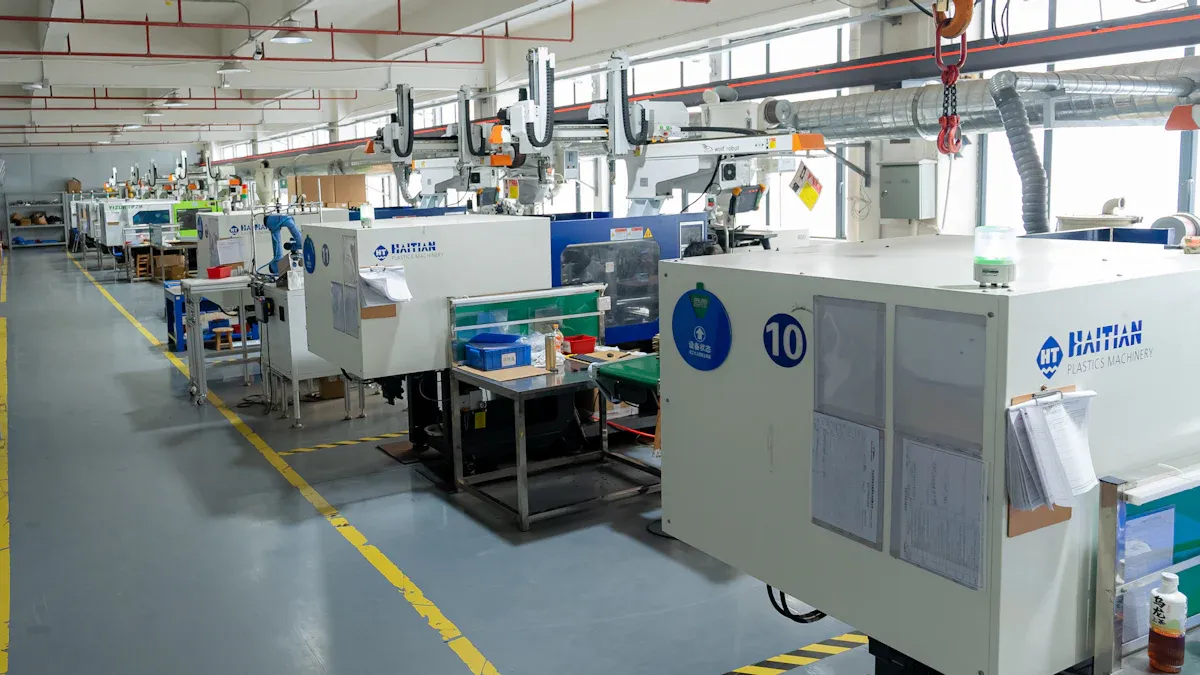
Raw Material Sourcing and Additive Selection
The base of any good Modified PP starts with the main resin. You need to know if your manufacturer uses virgin homopolymer or impact copolymer. This choice changes how your part acts under stress, heat, and time.
Homopolymer PP gives strong stiffness and heat resistance. Its melting point is 160–166°C, so it keeps its shape under load. But it becomes brittle below 0°C. Impact copolymer PP adds ethylene as a comonomer. This creates a rubber phase that soaks up impacts. This material works well down to -20°C to -40°C. The trade-off is lower stiffness and a softer structure.
Property | Homopolymer (PP-H) | Impact Copolymer (PP-B) |
|---|---|---|
Impact Resistance | Brittle below 0°C; not good for freezer use | Strong toughness; works to -20°C to -40°C |
Stiffness & Heat | Higher melting point; holds shape under load | Lower melting point; deforms at lower heat |
Cost & Processing | Lower material cost; more energy to process | Higher material cost; processes at lower heat |
Typical Appliance Fit | Rigid frames that need heat tolerance | Washing machine tubs, housings, lids |
Main trade-off for appliance design: Homopolymer PP gives the highest stiffness and heat resistance but is brittle. Impact copolymer PP (PP-B) adds ethylene as a comonomer. This increases impact toughness, flexibility, and low-temperature performance. It does this at the cost of some stiffness and heat resistance. For home appliances, choose PP-H for parts that need structural rigidity under heat. Choose PP-B for parts that must survive drops or cold stress without cracking.
Additives turn the base resin into a custom solution. Mineral fillers like talc and calcium carbonate improve dimensional stability and lower molding shrinkage. You find these in refrigerator shelves and washing machine inner tubs. Glass fiber reinforcement boosts tensile strength to 65–90 MPa and bending strength to 70–120 MPa. It also raises heat resistance to 135–145°C. Flame retardants get UL94V-0 ratings for control panels and TV casings. Antibacterial agents keep door seals and air conditioner filters clean by stopping microbial growth.
For structural parts that need high rigidity, long fiber reinforced thermoplastic polypropylene (LFT PP) offers clear benefits:
Tensile strength goes up by 60% to 120% compared to unreinforced PP
Fiber content of 30–70% improves strength and stiffness
PP-based LFT gives moderate rigidity at low cost
Uses include appliance housings and high-end parts with glass fiber plus carbon fiber for weight reduction
Mechanical and Thermal Testing Protocols
A good manufacturer tests every batch and shares the results openly. You should ask for batch test reports before you commit. These reports show that quality is the same across shipments.
Melt flow index (MFI) measures how consistent the process is. The standard test is ASTM D1238, done at 230°C with a 2.16 kg load for polypropylene. A steady MFI means your injection molding process runs the same every time. Changes in MFI cause size problems and unpredictable cycle times.
Izod impact strength follows ASTM D256 for notched samples. This test shows how much energy a part takes before it cracks. For washing machine tubs and housings that get dropped during shipping or use, this number matters a lot.
Tensile modulus uses ASTM D638. This test shows stiffness and how much load the part can carry. A higher tensile modulus means the part resists bending and bending under steady loads.
Heat deflection temperature (HDT) measures how well a part handles hot water. There is no single standard for HDT testing of modified polypropylene. But good manufacturers test this property regularly. You should ask for HDT data for any part that touches hot water, like washing machine drums or dishwasher parts.
Ask your manufacturer for complete batch test reports. A supplier who hesitates or gives vague answers is a warning sign. A transparent partner shares data freely because they make consistent quality. This transparency protects your production line and your brand name.
Certifications and Compliance for Appliance-Grade Modified PP
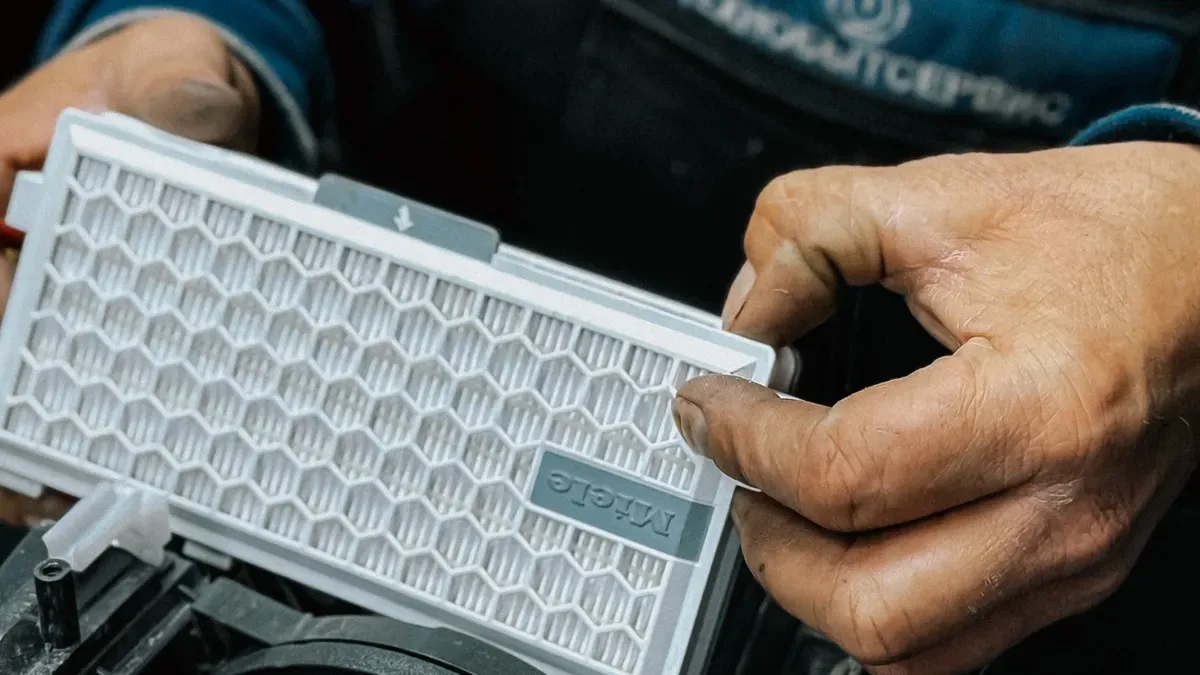
Certifications show that your material meets safety and performance rules. They also protect you if a product fails. For home appliances, the right certifications depend on where and how the part is used. A motor housing needs different approvals than a refrigerator shelf that touches food. You must match each certification to the specific use.
Key Certifications: UL, CE, RoHS, and NSF
Underwriters Laboratories (UL) tests electrical and mechanical products for safety. For plastic parts, UL 94 measures how fast they burn. You will see ratings like UL 94V-0 and UL 94V-1. A V-0 rating means the material stops burning quickly after the flame is removed. V-1 allows a longer time. Motor housings and control panels usually need V-0 because they sit near electrical parts. UL 746A tests arc resistance, which matters for parts that might face electrical tracking. Some industrial appliances need UL 1203 for explosion-proof enclosures, though this applies less often in home settings.
The NSF/ANSI 51 standard covers materials used in food equipment. This certification applies to refrigerator liners, ice makers, and any surface that touches food. NSF International requires formulation checks based on FDA rules. They also run lab tests and audit the manufacturing site. The certification renews every year. Compliance continues through regular product testing and facility audits. If your supplier holds NSF/ANSI 51, you know their material formula stays consistent year after year.
RoHS restricts dangerous substances like lead, mercury, and cadmium. The European Union enforces this rule, but many global brands require RoHS compliance no matter where they ship. CE marking shows conformity with European health, safety, and environmental standards. A leading supplier ships worldwide with these certifications already in place. You should ask for copies of current certificates before you send a request for quote.
Managing Regulatory Updates and Documentation
Regulations change. The EU updates its chemical safety frameworks on a rolling basis. When a substance gets added to the restricted list, your material supplier must adjust their formula. They must also issue updated documents, including the Declaration of Conformity. This document states that the product meets all applicable rules at the time of shipment.
A reliable manufacturer tracks these changes ahead of time. They tell you before a rule takes effect, not after. They give you a clear timeline for updated compliance. Ask your supplier: "When regulations change, how fast can you deliver a new Declaration of Conformity?" A strong partner answers with a specific number of days. A weak one gives vague promises.
Watch for warning signs. A supplier who cannot name the next regulatory deadline for their industry likely lacks a compliance team. A supplier who hesitates to share test reports may hide uneven batches. You need documents that trace each shipment to its raw material lot. This traceability protects you during audits and product recalls.
Your contract should require regular compliance reviews. During these reviews, you check that all certificates remain current. You also confirm that no restricted substances appeared in recent shipments. This process turns compliance from a one-time check into an ongoing partnership. Modified PP for appliances demands this level of care because consumer safety depends on it.
Supply Chain and Technical Support for Modified PP
Lead Times, Inventory, and Backup Capacity
Your production line cannot stop while you wait for material. A reliable manufacturer keeps extra stock of important grades. This buffer helps you when demand jumps or when a shipment is late. Ask your supplier about their inventory policy. Do they keep standard grades ready to ship right away? How much warning do they need for custom blends?
Custom grades take more time than standard ones. The manufacturer must mix, test, and check each batch. Standard grades might ship in days. Custom blends often take weeks. You need to know these timelines before you plan your production. A supplier with several plants gives you extra safety. If one factory has a problem, another can step in. This backup keeps your line moving.
Ask about their backup plans. What happens when raw materials run short? A strong partner has other sources for their base resins. They also tell you early when problems come up. You should never find out about a delay from a missed delivery date.
Engineering Help for Part Design and Problem Solving
A material supplier should do more than sell pellets. They should help you design better parts. Injection molding simulation lets experts see inside the mold. This view shows how plastic acts during the whole cycle. You cannot get this information any other way. The analysis finds the real causes of processing issues before you build the mold.
Mold flow analysis looks at several key areas. It checks part shape, material choice, and knit lines. For filled materials, it studies fiber direction. The analysis also suggests where to put gates and how to design them. Ejector pin placement matters too. Each choice affects part quality and cycle time.
Before the analysis starts, experts check part size. This check decides if injection molding fits your part. Sometimes CNC machining works better. Your supplier should tell you honestly which method suits your design.
Working together works best. Engineers and sales teams talk with you during the whole analysis. They make changes to meet your needs. This teamwork goes beyond just supplying material. Look for a supplier who offers extra services like prototyping, tooling, and assembly.
Try this test before you ask for a quote. Send your part drawing to a possible supplier. Ask them to suggest a specific grade. A smart partner looks at your design and picks a material with confidence. They explain their reasons clearly. A weak supplier gives unclear answers or dodges the question. This simple test shows their technical skill and their care for your success.
Cost Analysis: Beyond the Price per Pound of Modified PP
Total Cost of Ownership: Scrap, Downtime, and Yield
A low price per pound looks good on paper. But it hides real costs. You must look past the raw material price. Total cost of ownership (TCO) tells the full story.
The TCO formula includes several parts: tooling, part cost times volume, downtime, scrap, and engineering change risk. Part cost depends on material use, cycle time, machine tonnage rate, labor level, and scrap rate. Small differences in cycle time and scrap create large gaps between suppliers over high volumes.
TCO Component | What It Includes |
|---|---|
Tooling | One-time upfront cost that affects long-term stability |
Part cost × volume | Recurring cost that grows with production quantity |
Downtime | Lost production when the line stops |
Scrap | Waste from rejected parts |
Engineering change risk | Cost of redesigns or formula adjustments |
Imagine a cheaper material that causes a higher scrap rate. You lose more parts. You pay for the material, the machine time, and the labor. Now add field failures. A cracked washing machine drum in a customer's home costs far more than the part itself. You cover service calls, replacement units, and brand damage.
A reliable supplier keeps scrap rates low. Their consistent material gives you stable cycle times. You predict yield and plan production with confidence. The price per pound may be higher. The total cost per good part is lower.
Structuring Long-Term Agreements and Price Stability
A contract protects both sides. You need annual volume commitments that lock in supply. Your supplier needs predictable orders to plan their raw material purchases.
Price adjustment clauses tied to propylene monomer indices keep prices fair. When the raw material market shifts, the contract adjusts automatically. You avoid sudden price spikes. Your supplier avoids selling at a loss.
Quarterly business reviews track PPM defect rates. You review the number of defective parts per million delivered. This data shows quality trends over time. A good supplier targets low PPM rates. You catch problems early before they become recalls.
These structures turn a transaction into a partnership. You get stable pricing, consistent quality, and reliable supply. The lowest quote often comes with hidden costs. The right partner helps you calculate the real cost of your Modified PP.
You now have four pillars to evaluate any Modified PP partner: material consistency, certifications, supply chain resilience, and total cost of ownership. The lowest quote rarely delivers the lowest real cost. Build a supplier scorecard using the questions from this guide. Score each candidate honestly.
Top-tier manufacturers set clear benchmarks. They maintain BRC and ISO certifications. They run rigorous QA trials, testing cups to their limits. They engineer to the micro-millimeter for compatibility with high-speed filling lines. Companies like Super Dragon offer system solutions across appliance types—audio equipment, televisions, refrigerators, washing machines, water purifiers, and more. Use their standards as your baseline.
Audit your current suppliers against these criteria—your next product launch depends on it.
FAQ
How often should I request batch test reports from my supplier?
Ask for them with every shipment. A good manufacturer shares melt flow index, Izod impact, and heat deflection temperature data without delay. Steady numbers from batch to batch keep your injection molding process running smoothly. If reports come late or seem unclear, see that as a red flag.
What certifications matter most for food-contact appliance parts?
NSF/ANSI 51 covers refrigerator liners, ice makers, and any surface that touches food. This standard needs yearly renewal and regular checks at the factory. Ask for current certificates before you send a request for quote. RoHS compliance also matters for shipping worldwide, even outside Europe.
How do I test a supplier's technical expertise before committing?
Send a part drawing and ask them to recommend a specific grade. A skilled partner explains their material choice with clear reasons about stress points, wall thickness, and processing conditions. A weak supplier gives unclear answers. This quick test shows their engineering knowledge right away.
What hidden costs should I calculate beyond the price per pound?
Watch scrap rate, cycle time, and downtime across your production line. A cheaper material that causes a higher scrap rate costs more than a premium grade with minimal defects. Field failures add service calls and harm your brand. Figure out the total cost per good part, not just the cost per pound of Modified PP.