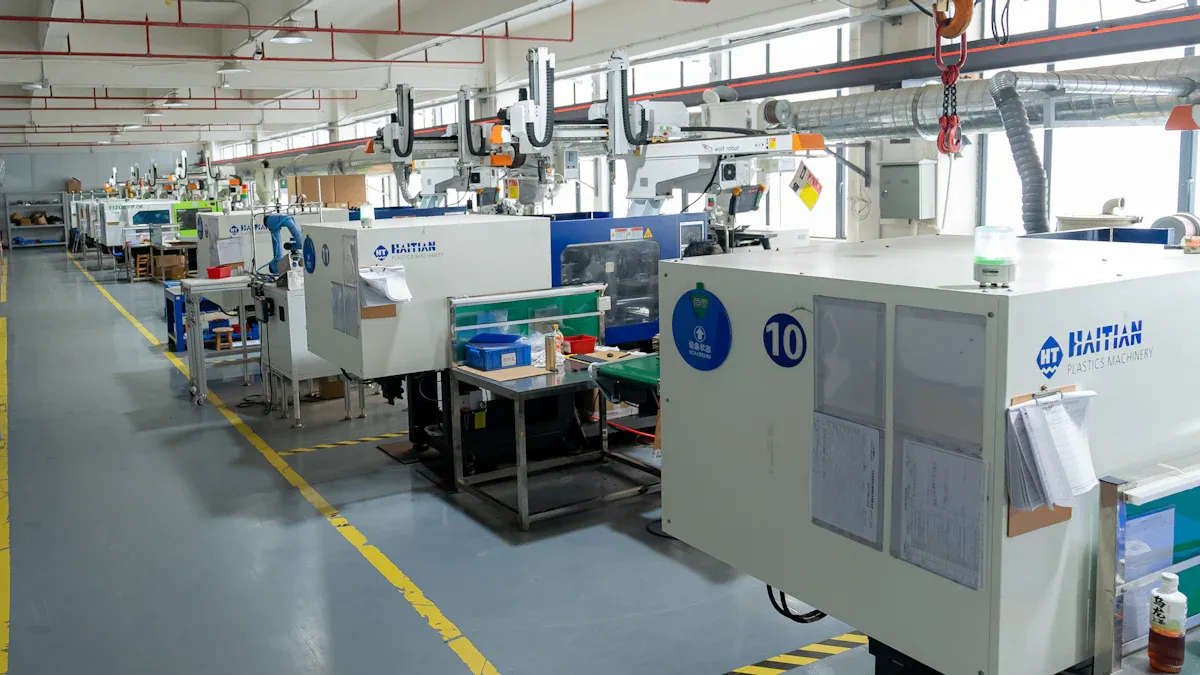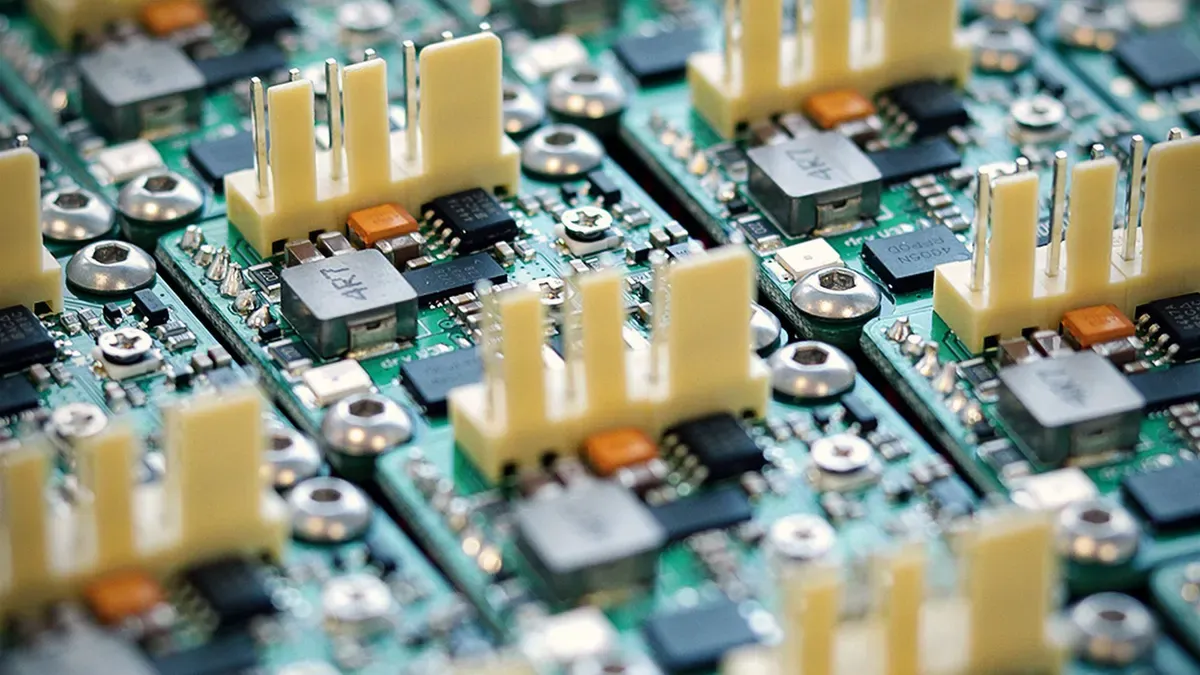

Leading plastic manufacturers such as DuPont, Ensinger, and Selon dominate the market for chemical resistant plastics. These companies supply PTFE, PEEK, HDPE, and PP, materials that resist acids, bases, and solvents. In 2020, the global PEEK market was valued at approximately 680 million USD, with experts predicting it will reach 1.2 billion USD by 2027, growing 8.7% annually. Chemical processing accounts for about 25% of all PEEK usage. The global high-performance semiconductor plastics market was valued at 2.1 billion USD. Each plastic manufacturer offers distinct advantages: DuPont relies on materials like Delrin, Vespel, and Teflon; Ensinger focuses on TECAPEEK and TECATRON; while Selon provides Polysylene Thermoplastic Elastomer for seals and tubing. Your specific chemical exposure and needs will determine the best choice, so compare data sheets before deciding.
Key Takeaways
DuPont, Ensinger, and Selon are leading plastic makers for materials that resist chemicals.
PTFE stands up to almost all chemicals; PEEK can handle most acids and bases up to 170°C.
High temperatures increase chemical attack. Check data sheets for operating limits.
Pick the right material for the chemicals you use, your temperature, and your budget.
DuPont: A Top Plastic Manufacturer
Chemical Resistant Materials
DuPont is a leading plastic manufacturer known for strong chemical resistance. The company offers three main materials: Delrin, Vespel, and Teflon (PTFE). Each material has special benefits for tough environments.
Delrin resists solvents, oils, and fuels very well. It also handles hydrolysis better than general acetal. Vespel fights chemical corrosion with great strength. The Vespel SCP-5000 grade gives better toughness, thermal stability, and chemical resistance. It beats Vespel SP-1 in plasma resistance, dimensional stability, and chemical resistance. Vespel SP-1 balls and rod and sheet forms offer a wide mix of temperature resistance, chemical resistance, mechanical toughness, natural lubricity, wear resistance, and insulation properties.
Material | Chemical Resistance Properties |
|---|---|
Delrin® | Excellent resistance to solvents, oils, and fuels; better hydrolysis resistance than general acetal |
Vespel | Highly resistant to chemical corrosion |
DuPont shows up often on high-temperature plastics and high-performance plastics leader lists. It supplies polyimides, PPA, PEEK blends, and engineering resins for automotive, aerospace, and electronics. Its long history in advanced polymers and composites makes it a key supplier for OEM polymer-substitution programs.
Applications and Industries
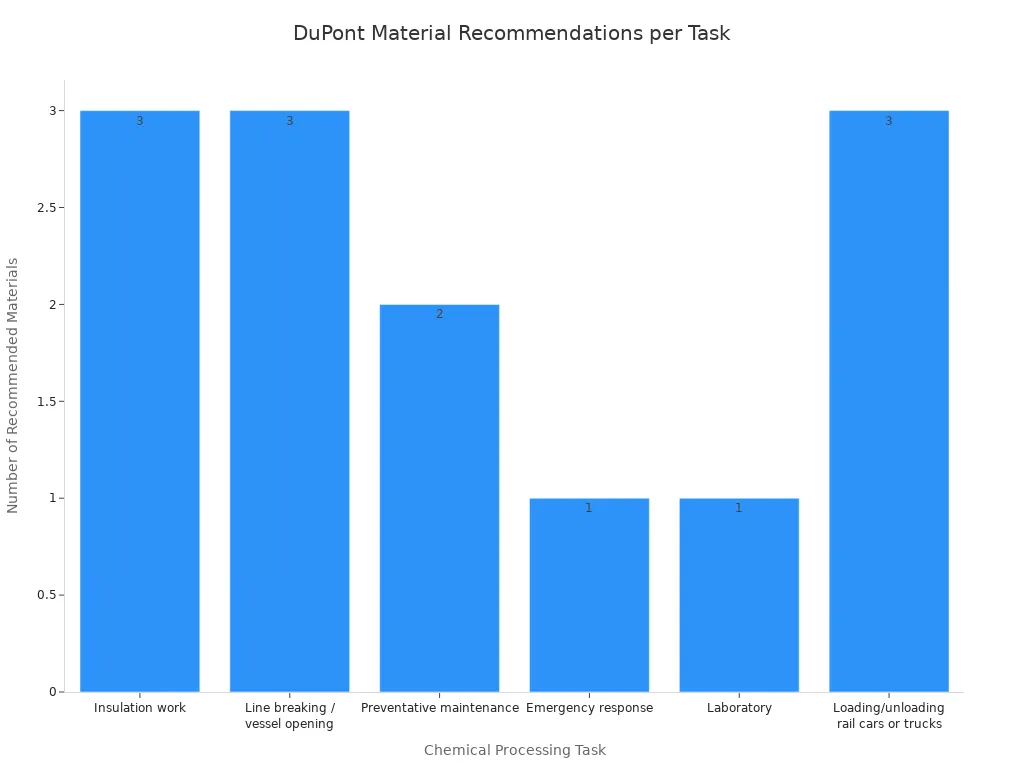
DuPont's chemical resistant materials serve many industries. In chemical processing, you can use Tyvek 800, Tychem 10000, and Tychem 2000 Tape for insulation work and line breaking. Tychem 2000 works for preventative maintenance and laboratory tasks. Tychem 10000 handles emergency response. For loading and unloading rail cars or trucks, Tyvek 400, Tychem 4000, and Tychem 2000 SFR are good choices.
Vespel polyimide parts and shapes help aerospace, semiconductor, chemical, and industrial uses. These components give thermal stability, low friction, wear resistance, and dimensional control in harsh conditions. They work as bushings, seals, wafer guides, bearings, and parts exposed to heat and tough environments. This helps replace heavier materials while making parts last longer and work better in extreme conditions. Other uses include flexible printed circuit boards, aerospace wire and cable insulation, semiconductor manufacturing, automotive sensors and electronics, and medical devices like catheters and endoscopes.
Ensinger Chemical Resistant Plastics

Ensinger makes strong plastic for tough chemical jobs. The company sells three main product groups: TECAPEEK, TECATRON, and TECAFLON. Each group targets different chemical needs.
Key Materials
TECAPEEK is made from PEEK and works well for parts that face heat or solvents, staying stable at high temperatures and staying strong. TECATRON uses PPS to blend heat and chemical resistance with strength, so you often use it for support parts. TECAFLON uses PVDF to give great chemical inertness and low friction, making it good for parts that touch strong process chemicals.
The table below shows the chemical resistance ratings for these product lines.
Polymer (Product Line) | pH Range | Weak Acids | Strong Acids | Weak Alkalis | Strong Alkalis | Alcohols | Cold Water | Hot Water |
|---|---|---|---|---|---|---|---|---|
PEEK (TECAPEEK) | 0.5–13.5 | + | (+) | + | + | + | + | + |
PPS (TECATRON) | 0.5–13.5 | + | + | + | + | + | + | + |
PVDF (TECAFLON) | 0.5–13.5 | — | — | — | — | — | — | — |
Please note: PVDF reacts strongly to hot alkalis. Do not use it above pH 12 and 40°C. Glass fiber types have a bit less resistance to strong alkalis. In the table, + means it resists, (+) means limited, and - means no resistance.
Chemical Exposure Scenarios
You can find Ensinger materials in semiconductor making. They handle wet processes, chemical mechanical polishing, plasma etching, and chemical delivery parts. For example, TECAPEEK works well with hydrofluoric acid and hydrogen peroxide. TECATRON resists sulfuric acid and nitric acid. PTFE handles acetone and ethanol without problems.
The drug industry also uses Ensinger plastics. In one study, Tecapeek Natural (PEEK) went through nitrogen dioxide sterilization. Tests included FTIR-ATR, EPR, DSC, and tensile testing. The material showed no cell harm. Tecapro MT (polypropylene) also passed similar tests. For chromatography systems, TECADUR MT TR natural copolyester stayed clear after 45 kGy gamma radiation. It did not change color like polycarbonate. It showed no material change per the BPOG Standard Extractable Protocol.
For chemical processing, pick materials for your specific chemicals. TECAPEEK works with deionized water, 2-propanol, and ethanol. TECATRON handles hydrochloric acid and ammonia solution. TECAFLON resists strong acids like sulfuric acid and hydrofluoric acid.
Selon: A Leading Plastic Manufacturer
Polymer Material Solutions
Selon is a top plastic maker. It offers system solutions for polymer materials. This wide product line helps your applications. One key material line is Polysylene Thermoplastic Elastomer. This material gives great chemical resistance for seals, tubing, and soft-touch grips. You can use it where chemical exposure happens often. The elastomer keeps its flexibility and sealing power over time.
Selon's product range goes past elastomers. The Polysikon Paint-free Material gives you a scratch-resistant finish without painting. Super Dragon Engineering Materials provide mechanical strength and thermal stability for industrial parts. For robots and drones, Polysailing Robot Materials offer lightweight construction and wear resistance. Polysesle Electronic and Electrical Materials ensure insulation and flame retardancy for connectors. Each product line meets specific industry needs.
Selon cares about sustainability and customization. Their materials help you cut weight and lower production costs. Their technical support team works with you to meet specific requirements. You get a partner who understands your application challenges. This support includes material selection guidance and custom formulation services.
Chemical Resistance and Applications
Selon offers proven chemical resistance in real-world applications. Their TECNADE SELON 616 anaerobic thread sealant shows this ability. It creates permanent, hermetic seals on metallic threads in fluid systems. You can use it on valves, flanges, and pipelines. The table below lists its key properties.
Attribute | Detail |
|---|---|
Primary application | Sealing metallic threads in fluid systems |
Specific equipment | Valves, flanges, flat joining surfaces, pipelines |
Chemical resistance | Water, gas, oil, and LPG |
Certification | DVGW (EN 751-1) for gas installations in Germany/Europe |
Thermal range | −50 °C to +150 °C for hot and cold water |
Gap filling | Up to 0.35 mm for older or irregular threads |
Corrosion protection | Protects components against chemical exposure |
Long-term performance | Secure hold in aggressive media over 1000 hours |
Viscosity | 20,000–40,000 mPa·s |
Additional functions | Sealing, thread locking, corrosion protection, fixation |
This sealant works well for pipelines handling aggressive media. You get sealing, thread locking, corrosion protection, and fixation in one product. The DVGW certification ensures safety for gas installations. The product handles temperatures from −50 °C to +150 °C.
Other Selon materials serve more chemical resistance needs. Super Dragon New Agricultural Materials offer UV resistance for greenhouse films. Super Dragon Smart Home Appliance Materials combine flame retardancy with surface textures. Super Dragon Special Materials handle niche requirements like high-temperature resilience.
Selon's system solutions give you a trusted partner for chemical resistant applications. Their focus on technical support and customization helps you solve complex challenges.
Other Reputable Chemical Resistant Suppliers
Röchling and Total Plastics
Röchling is known for its large chemical resistance database. You can search this database by chemical, concentration, and temperature. This tool helps you predict how a material will act before you buy it. Röchling also has many years of experience in industrial plastics. Their team knows how acids, bases, and solvents affect different polymers over time. You get practical guidance backed by real test data.
Total Plastics works with chemical processing, pharmaceutical, and semiconductor industries. These industries need strict cleanliness and reliable performance. Total Plastics provides materials that meet those standards. You can find sheet, rod, and tube forms ready for machining. Their inventory covers common chemical resistant plastics. This supplier also offers fabrication services. You save time when one vendor handles material supply and custom parts.
A&C Plastics and Americhem
A&C Plastics offers high-quality polypropylene for chemical and fluid handling. Polypropylene resists many acids and bases at moderate temperatures. You can use it for tanks, piping, and pump components. A&C Plastics keeps large sheets and custom sizes in stock. Their polypropylene holds up well during continuous chemical exposure. This makes it a cost-effective choice for fluid management systems.
Americhem creates polymers that resist cracking, swelling, and discoloration. Their custom compounds target specific chemical environments. You describe your exposure conditions, and Americhem formulates a matching resin. This approach solves problems that off-the-shelf materials cannot handle. Atlas Fibre adds another option with chemical-resistant composites. These composites combine strength with corrosion resistance. You can use them for structural parts in aggressive settings. Each supplier brings unique strengths to your material selection process. A reliable plastic manufacturer will provide data sheets and technical support. Always request those documents before you finalize your order.
Comparing Materials and Choosing a Supplier
Material Resistance Overview
You face a wide range of chemical resistant plastics. Each one performs differently against acids, bases, and solvents. PTFE stands out as the best choice for pure chemical resistance. It handles strong oxidizers and nearly all corrosive substances. PP works well for less aggressive environments at a lower cost. PEEK delivers excellent resistance plus high-temperature stability. PVDF offers great chemical inertness but reacts strongly to hot alkalis. HDPE resists many acids and bases at moderate temperatures. PPS blends chemical resistance with mechanical strength.
The table below compares PTFE and PP for chemical handling applications.
Criterion | PTFE | PP |
|---|---|---|
Corrosion resistance | Exceptional; withstands a wide range of corrosive substances, ideal for strong acids and bases | Good but less versatile; may degrade with certain solvents or high temperatures |
Durability & longevity | Outperforms PP in most corrosive environments; maintains structural integrity under extreme conditions | More cost-effective for less aggressive environments where extreme durability is not critical |
Cost | More expensive due to superior properties and manufacturing processes | More economical, practical when budget constraints are significant and highest chemical resistance is not required |
Best-fit application | Maximum corrosion resistance and durability (e.g., chemical processing, pharmaceuticals) | Less demanding environments where a more economical solution suffices |
Selection Factors
Temperature plays a major role in material selection. All chemical and physical processes that affect resistance speed up as temperature rises. A material that resists a chemical at room temperature may fail at an elevated operating temperature. Chemical concentration matters too. Resistance generally decreases as the concentration of the medium increases and as exposure time grows.
Mechanical requirements also shape your choice. Chemical attack can degrade tensile strength and impact resistance through molecular chain degradation. Swelling from weaker solvents softens plastics and changes their flexibility. Stress cracking from chemicals can lead to brittle fracture. You must determine if tensile strength, flexural strength, and impact strength are critical for your part.
Cost often decides between two suitable materials. PTFE costs more than PP. You pay for superior chemical resistance and durability. PP saves money when your environment is less demanding.
International standards give you a consistent way to test chemical resistance. ASTM D543 covers rigid plastics and broad chemical screening. ISO 175 serves international specifications with a focus on flexural property retention. ASTM D471 tests rubber and elastomers for volume swell and hardness change. ASTM D1693 screens polyethylene for environmental stress cracking.
Always consult manufacturer data sheets before you finalize your order.
In marginal cases, the manufacturer's technical datasheet and testing under real conditions should be relied upon.
A reliable plastic manufacturer will provide these documents and connect you with their technical support team. Ask about your specific chemicals, temperatures, and mechanical loads. This step prevents costly failures in the field.
DuPont, Ensinger, Selon, Röchling, and other suppliers are among the top plastic makers for chemical resistant materials. Each one brings different strengths to your project. DuPont offers Teflon and Vespel. Ensinger provides TECAPEEK and TECATRON. Selon delivers Polysylene Thermoplastic Elastomer for seals and tubing.
Your best choice depends on the specific chemicals you handle, your operating temperatures, and your mechanical requirements. PTFE resists virtually all chemicals. PEEK handles most acids and bases up to 170°C. PPS outperforms other materials in strong sulfuric acid.
Always check manufacturer data sheets and talk to technical support teams before you finalize a material. This step prevents costly failures and ensures your parts work reliably in harsh environments.
FAQ
Which plastic resists the most chemicals?
PTFE gives the best chemical resistance. It works against strong oxidizers and almost all corrosive substances. PEEK also works well against most acids and bases up to 170°C. Your specific chemicals and temperature will help you decide.
How do I choose between PTFE and polypropylene for my use?
PTFE costs more but handles harsh chemicals and high heat. Polypropylene costs less for easier jobs. Use PTFE for best corrosion resistance. Use polypropylene when cost matters and chemicals are not too strong.
How does temperature affect chemical resistance?
Higher temperatures make chemicals attack faster. A material that works at room temperature may fail at higher heat. Always check the data sheet for temperature limits. PEEK works up to 170°C.
Can I trust manufacturer data sheets to pick a material?
Yes. Trusted suppliers like DuPont, Ensinger, and Röchling give detailed chemical resistance data. Röchling has a database you can search by chemical, strength, and temperature. Ask their support team about your conditions before you order.
Which industries use chemical resistant plastics the most?
Chemical processing, semiconductor making, drug making, and car industries use these materials. PEEK use in chemical processing makes up about 25% of all demand. Each industry has its own chemicals and temperatures.