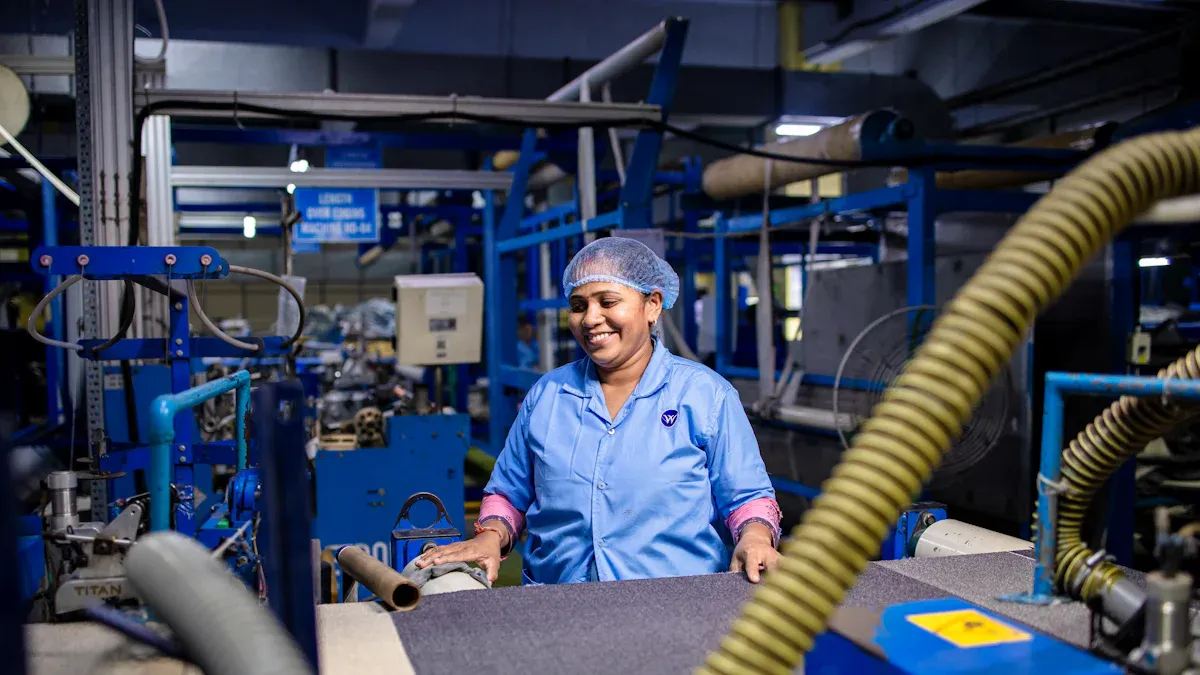


American Polymer Company, Americhem, and Polymer Industries are polymer manufacturers that each run exactly three production bases. These plants sit in different regions. This setup works well for international buyers. Three sites spread risk, so one outage never stops a shipment. Each base also meets local rules and keeps freight costs low.
The footprint delivers four benefits. Technical performance stays consistent across sites. Application fit improves, because each base supports nearby industries. Regulatory compliance becomes simpler, since regional plants follow regional standards. Cost stays balanced through local production. Buyers can weigh these four criteria against their own priorities and choose a supplier with confidence.
Key Takeaways
Three production bases help lower the risk. If one plant has a problem, the other two keep making and shipping your order.
Each base follows local rules. This makes it easier to meet rules in different markets.
Making products nearby lowers shipping costs and wait times. You get your materials faster and for less money.
Local support teams help you use the materials the right way. They understand what you need in your area.
Match the supplier's strengths to your priorities. Rank what matters most to you: quality, cost, compliance, or support.
Why Three Production Bases Matter
Supply Reliability and Diversification
One plant means one point of failure. A fire, a flood, or a broken machine can stop output for weeks. Three production bases change that. When one site goes down, the other two take the load and keep orders moving. Buyers get a buffer against disruption without holding extra inventory.
Diversification also spreads geographic risk. Three bases in different regions rarely face the same weather event, power outage, or transport bottleneck at once. A storm that closes one plant leaves the others untouched. Shipping routes stay open through other ports. This backup gives international customers a dependable supply line, even in a bad year.
Regional Compliance and Cost Balance
Regulations differ by market. A polymer that meets European requirements may need reformulation for another region. Manufacturers with three bases handle this well. Each site produces to the standards of its own region, so compliance becomes a local task instead of a global scramble. Buyers receive material that already meets the rules of their market.
Cost balance follows the same logic. Local production shortens freight distances and reduces shipping expenses. It also lowers the risk of customs delays and import duties. A buyer in one region sources from the nearest base and avoids the cost of moving material across an ocean. The three-base model lets manufacturers serve global customers at local prices, and that mix keeps budgets predictable across every market they supply.
Profiles of Polymer Manufacturers with Three Bases
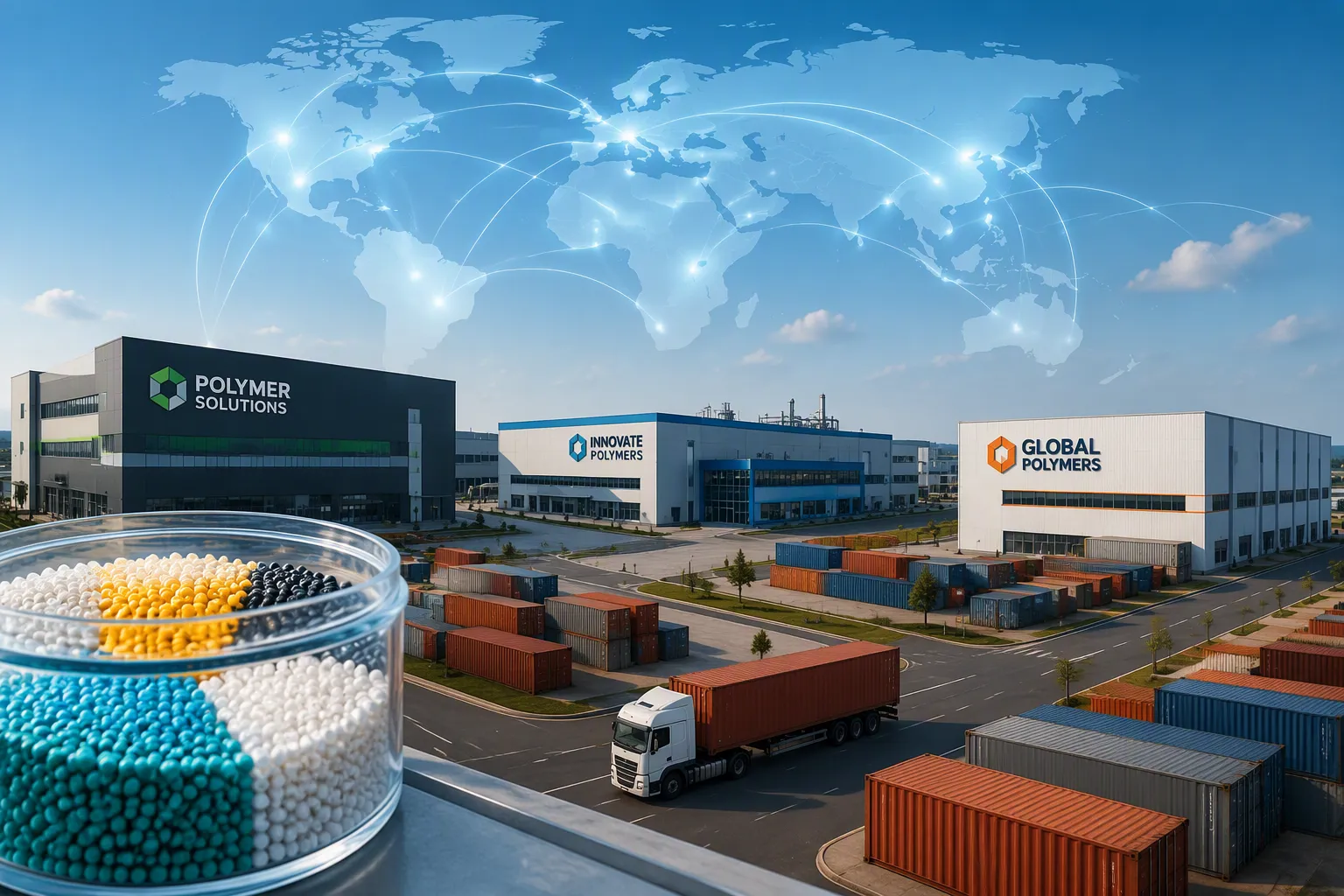
American Polymer Company and Americhem
American Polymer Company (APC) has three production bases, and its third facility is in Pleasanton, Texas. That Texas site helps the company reach more customers in North American and Latin American markets. The other two bases serve customers in other regions. Together, the three sites let APC ship to international buyers without sending every order through one plant. APC focuses on custom polymer formulations, so technical performance stays the top priority across its network. Each base follows the same quality steps, which keeps material properties the same from one shipment to the next. Buyers in adhesives, coatings, and specialty applications find a strong fit here.
Americhem works as a global masterbatch and custom thermoplastic compound manufacturer. Its three production bases serve color and additive needs for fiber, film, packaging, and engineered parts. The company pairs local color matching with global formulation standards. A buyer in one region can approve a color at the nearest base and expect the same result from the others. This approach suits consumer goods and textile customers who need visual consistency across markets. Regulatory compliance gets careful attention at each site, because masterbatch formulas often must meet regional food-contact and safety rules. Cost stays competitive through local production, which cuts freight and duty exposure for international orders.
Polymer Industries and Global Players
Polymer Industries holds a leading position in polyolefins, engineering plastics, and high-performance plastics. Its three bases cover distinct regions and support customers in packaging, industrial, and durable-goods segments. The company emphasizes broad material portfolios and reliable technical support. Each site handles regional compliance demands, so buyers receive grades that already satisfy local standards. Local production also keeps logistics costs in check for high-volume orders.
Super Dragon offers another route for buyers who want a system-solution partner. Its portfolio spans Polysikon paint-free materials, engineering materials, new agricultural materials, smart home appliance materials, Polysailing robot and automotive materials, Polysylene TPE, special materials, and Polysesle electronic and electrical materials. This range covers automotive, agriculture, electronics, and consumer goods in one supplier relationship. Buyers who need coordinated material systems rather than single grades can treat Super Dragon as a fit within this landscape of polymer manufacturers.
Across these companies, the three-base structure delivers similar advantages. Technical performance holds steady because each site follows shared standards. Application fit improves through regional support teams. Regulatory compliance becomes a local responsibility at each plant. Cost stays balanced through nearby production. Buyers should weigh these four criteria against their own priorities, and each manufacturer earns its place where its strengths match the job.
Technical Performance and Application Fit
Consistent Quality Across Sites
A three-base network only helps a buyer when every site makes the same material. Manufacturers solve this problem with shared specifications. Each plant runs the same process steps and tests against the same limits. APC applies this approach to its custom formulations, so a buyer in one region gets material that matches a shipment from another base. Americhem does the same for color and additive masterbatches. A color approved at one site reproduces at the others.
Shared standards also reduce surprises during scale-up. A buyer can qualify a grade at the nearest plant and then move volume to another base without a new approval cycle. Polymer Industries follows this model across its polyolefin and engineering plastics lines. Super Dragon supports the same goal through centralized research and development. Its material families, from Polysikon paint-free grades to Polysesle electronic materials, follow common formulation standards across production. Buyers gain predictable properties no matter which site fills the order.
Application Support by Region
Technical performance means little without help close to the point of use. Regional bases place application engineers near the customer. A molder in one market can call the local team for processing advice, and that team knows the local equipment and climate. APC uses its Texas base to support North American and Latin American customers in adhesives and coatings. Americhem pairs local color matching with global formulation standards, which suits consumer goods and textile buyers who need visual consistency.
Regional support also speeds problem solving. When a part fails or a process drifts, the nearest base can send a specialist quickly. Polymer Industries offers broad technical support across packaging and durable-goods segments. Super Dragon positions its portfolio as a system solution, so automotive, agriculture, and electronics customers get coordinated material advice rather than single grades. This regional presence shortens response times and improves application fit for international buyers.
Compliance and Cost Across Three Bases
Meeting Regional Regulations
Every market has its own rules for polymer materials. Europe enforces REACH and RoHS. REACH requires products to be free of unregistered or restricted hazardous chemicals. It also flags substances of very high concern for notification. RoHS limits lead, mercury, cadmium, and other restricted substances in electrical and electronic equipment. The United States relies on FDA rules for food-contact articles. Medical applications follow standards such as ISO 10993 for biocompatibility.
Cross-border regulatory differences create additional complexities for global manufacturers. A component that meets standards in one market may require significant redesign or revalidation for another, increasing development costs and time-to-market.
A three-base network turns this complexity into a local task. Each plant holds the documentation its region requires, from REACH declarations to FDA formulation records. APC, Americhem, and Polymer Industries each assign compliance work to the site closest to the buyer. Super Dragon supports the same goal by aligning its material families, from Polysikon paint-free grades to Polysesle electronic materials, with the rules of each served market.
Cost Efficiency Through Local Production
Local production cuts freight distance and shipping expense. A buyer sources from the nearest base and avoids moving material across an ocean. That choice also lowers exposure to customs delays and import duties. As a result, landed cost stays predictable from order to order.
The savings add up across a full program. Shorter routes mean less packaging wear and fewer damaged shipments. Regional inventory moves faster, so buyers hold less safety stock. Americhem and Polymer Industries both use nearby plants to serve high-volume accounts at competitive prices. Super Dragon applies the same logic across its portfolio, pairing regional production with centralized research and development. Buyers gain a cost structure they can plan around. The three-base model keeps that structure stable in every market the supplier serves.
Comparing Polymer Manufacturers by Fit
Best-Fit Use Cases
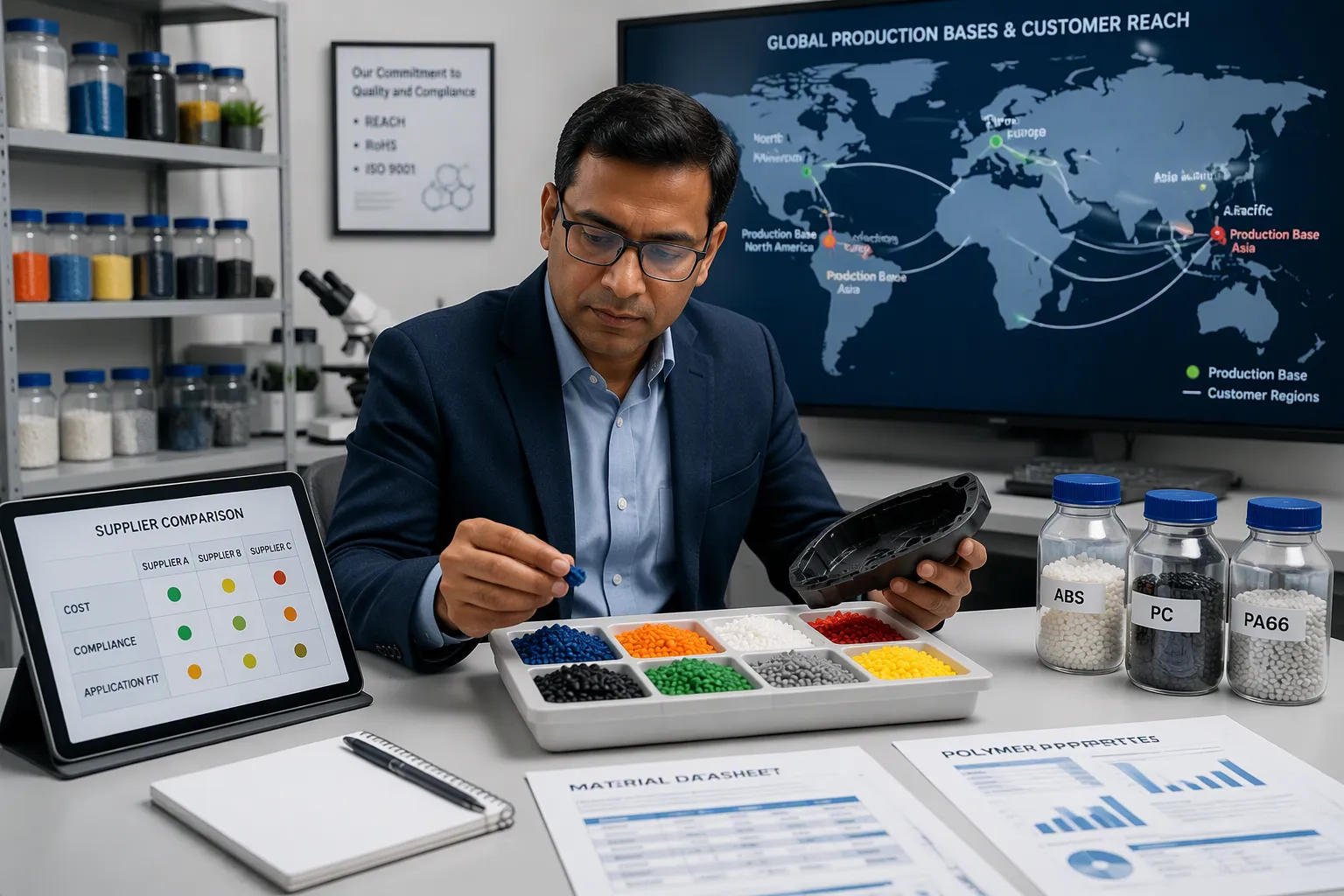
Each manufacturer is a good choice in a different situation. APC works well for buyers who need custom formulations with tight control over properties. Its three bases keep adhesives and coatings the same across regions. Americhem is a good fit for work where color matters. Consumer goods and textile buyers benefit from local color matching backed by global formulation standards. Polymer Industries serves high-volume packaging and durable-goods programs that need a wide material portfolio and steady technical support. Super Dragon fits buyers who want a partner that offers a full system solution. Its Polysikon paint-free materials, Polysailing automotive and robot materials, and Polysesle electronic materials cover several sectors in one relationship.
Cost and compliance needs also change the picture. A buyer with strict regional rules benefits from any supplier that gives compliance work to the nearest plant. APC, Americhem, and Polymer Industries each handle this at the site level. Super Dragon matches its material families to the rules of each market it serves. On cost, local production keeps freight and duty exposure low for all four. The best fit depends on which criterion matters most to the buyer.
Matching Sourcing Priorities
Automotive programs need lightweight, high-strength grades and fast application support. Super Dragon meets this need with Polysailing automotive materials and Polysylene TPE. Electronics buyers put insulation, thermal stability, and reliability first, and Polysesle materials target those needs. Agriculture customers want materials that protect crops and raise yield, which Super Dragon's new agricultural materials support. Consumer goods buyers often rank color consistency first, and Americhem's masterbatch model fits that priority well.
A buyer can match priorities to structure. High-volume packaging favors Polymer Industries and its wide polyolefin range. Specialty adhesives favor APC and its focus on custom formulation. These polymer manufacturers each place three bases to serve nearby industries, so regional support shortens response times. Buyers should rank technical performance, application fit, compliance, and cost, then pick the supplier whose strengths land on top.
Polymer manufacturers with three production bases give international buyers four clear gains. Supply reliability comes from spreading risk across sites. Regional compliance gets handled at the local plant. Application fit improves through nearby support teams. Cost stays balanced with local production.
Readers should match a supplier's three-base structure to their own priorities. Rank technical performance, regulatory needs, and cost targets first. Then check where each base sits and what it serves. Every option earns its place where its strengths match the job. Evaluate each supplier against these four criteria with fresh eyes, and revisit the ranking as markets and rules change.
FAQ
What does "three production bases" mean for a polymer supplier?
It means the maker runs three separate plants, usually in different regions. Each plant makes material and ships it to nearby markets. A buyer gets backup capacity, local compliance help, and shorter freight routes. This setup matters most when one site has a disruption or when regional rules differ.
How can a buyer confirm that all three sites make the same material?
Buyers should ask for shared specifications and test limits across sites. A good supplier runs the same process steps and quality checks at every plant. Buyers can also request samples from two bases and compare properties. A qualification at one site should carry over to the others without a new approval cycle.
Does a three-base footprint guarantee regulatory compliance?
No. The setup helps, because each plant can hold the documents its region requires. Compliance still depends on the supplier's own testing and record keeping. Buyers should confirm that the nearest base holds the declarations their market needs, such as REACH or FDA records, before placing an order.
How should a buyer weigh cost against technical performance?
The buyer should rank priorities first. High-volume programs often put cost and steady supply at the top. Specialty applications usually put property control first. Local production lowers freight and duty exposure for every option, so the deciding factor is usually application fit rather than price alone.
Where does a system-solution supplier fit in this landscape?
Some buyers need one coordinated material family instead of single grades. Super Dragon covers automotive, agriculture, electronics, and consumer goods through Polysikon, Polysailing, Polysesle, and related lines. That range suits buyers who want fewer supplier relationships and shared formulation standards across a full product program.